Web design for small businesses is one of the most searched phrases in the UK, and yet most of the websites small businesses end up with fail at the most basic job: turning visitors into enquiries. The problem is rarely the design. It is the structure. Most small business sites are built around what the owner wants to say rather than around how a customer decides to get in touch. If your current site is not generating consistent enquiries, the structure is almost certainly the issue, not the aesthetics.
Most underperforming websites do not fail because the business is poor. They fail because the structure is unclear, the services are too vague, and the site does not help people decide what to do next.


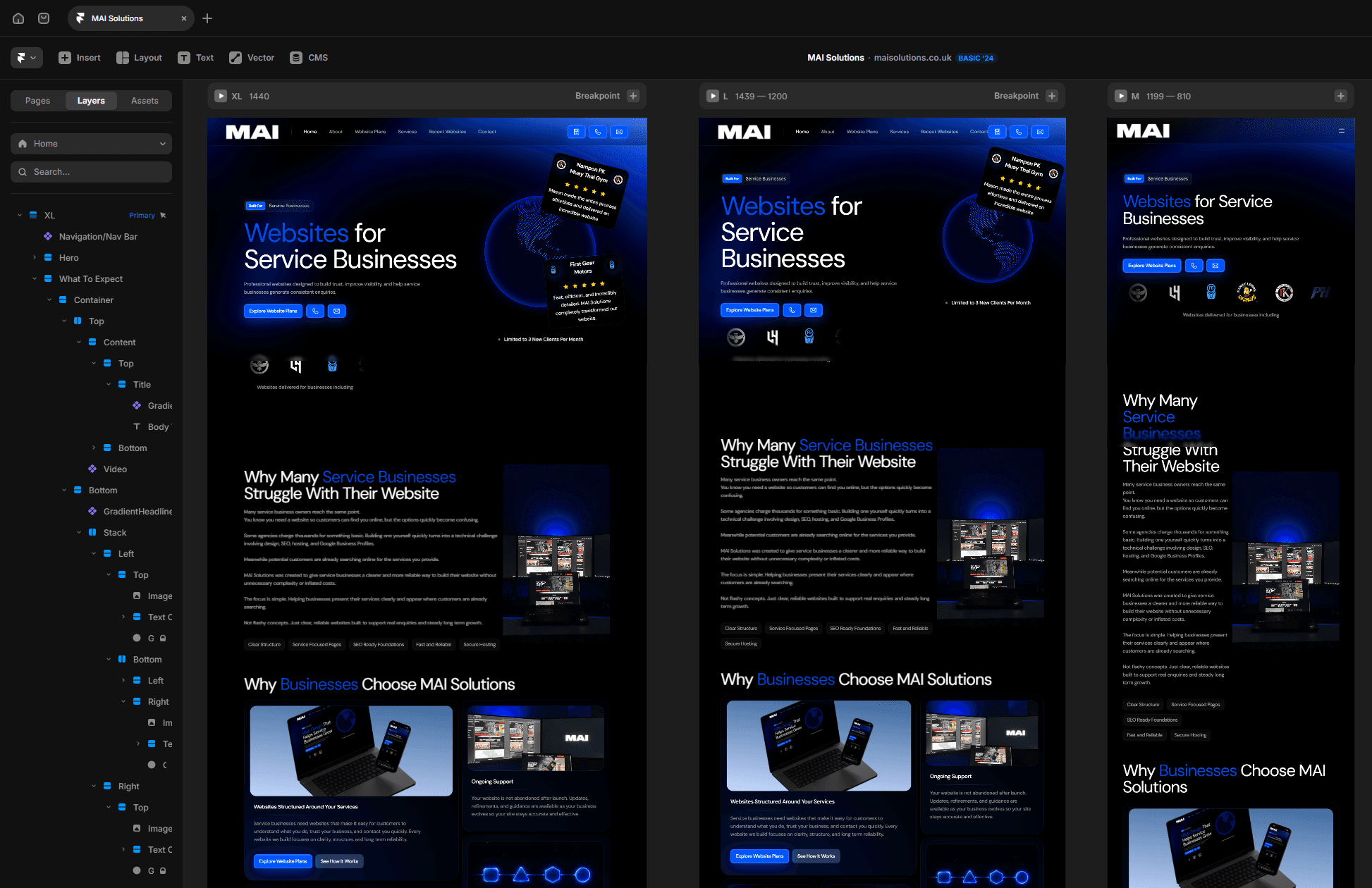
Web Design
A site built around how your customers search and decide, not just how it looks. Every page is structured to generate enquiries, with SEO foundations included from the start.
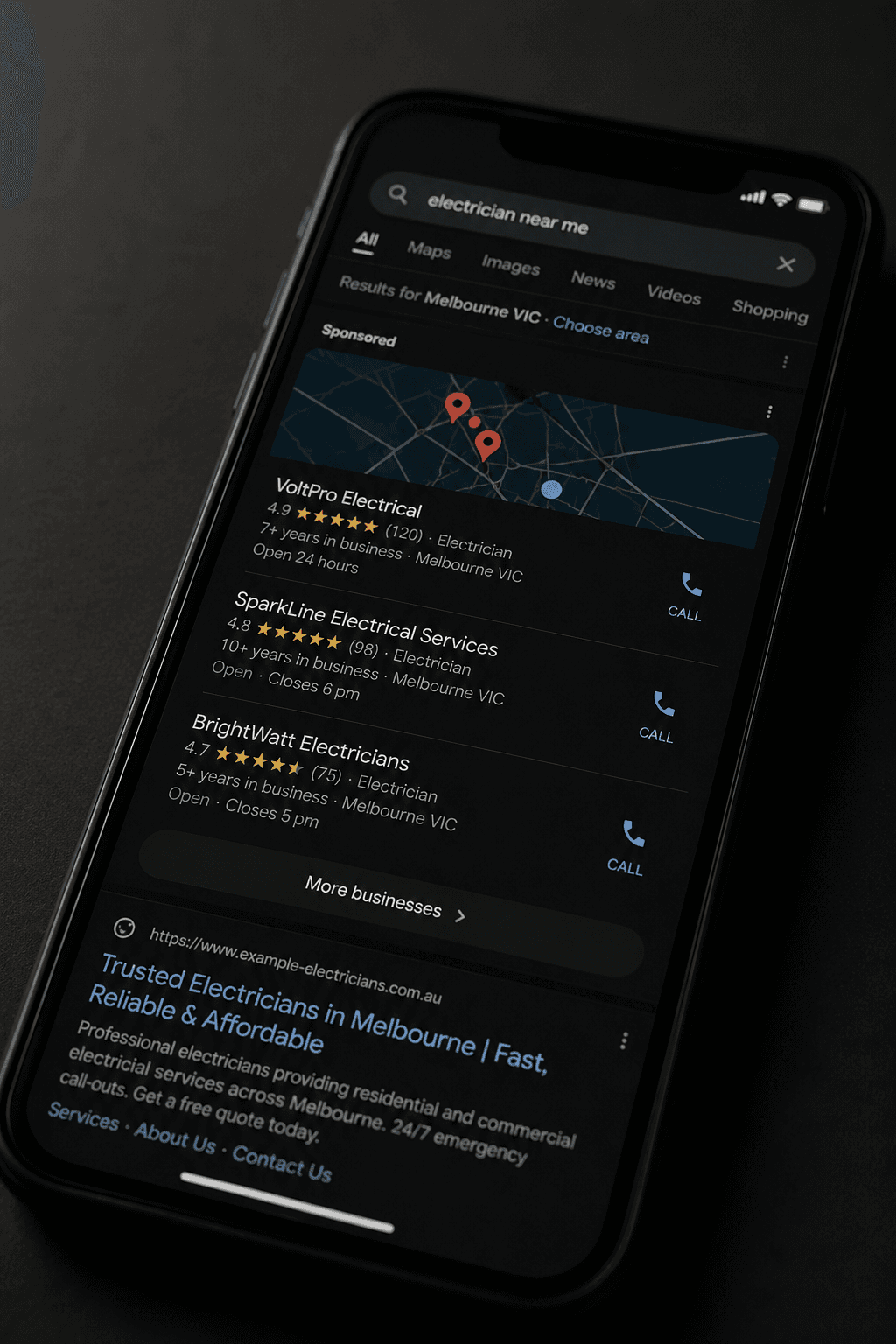
SEO
Local search visibility built into the structure of your site, not bolted on after. The right page titles, schema markup, and location signals so your business appears where customers are actually looking.
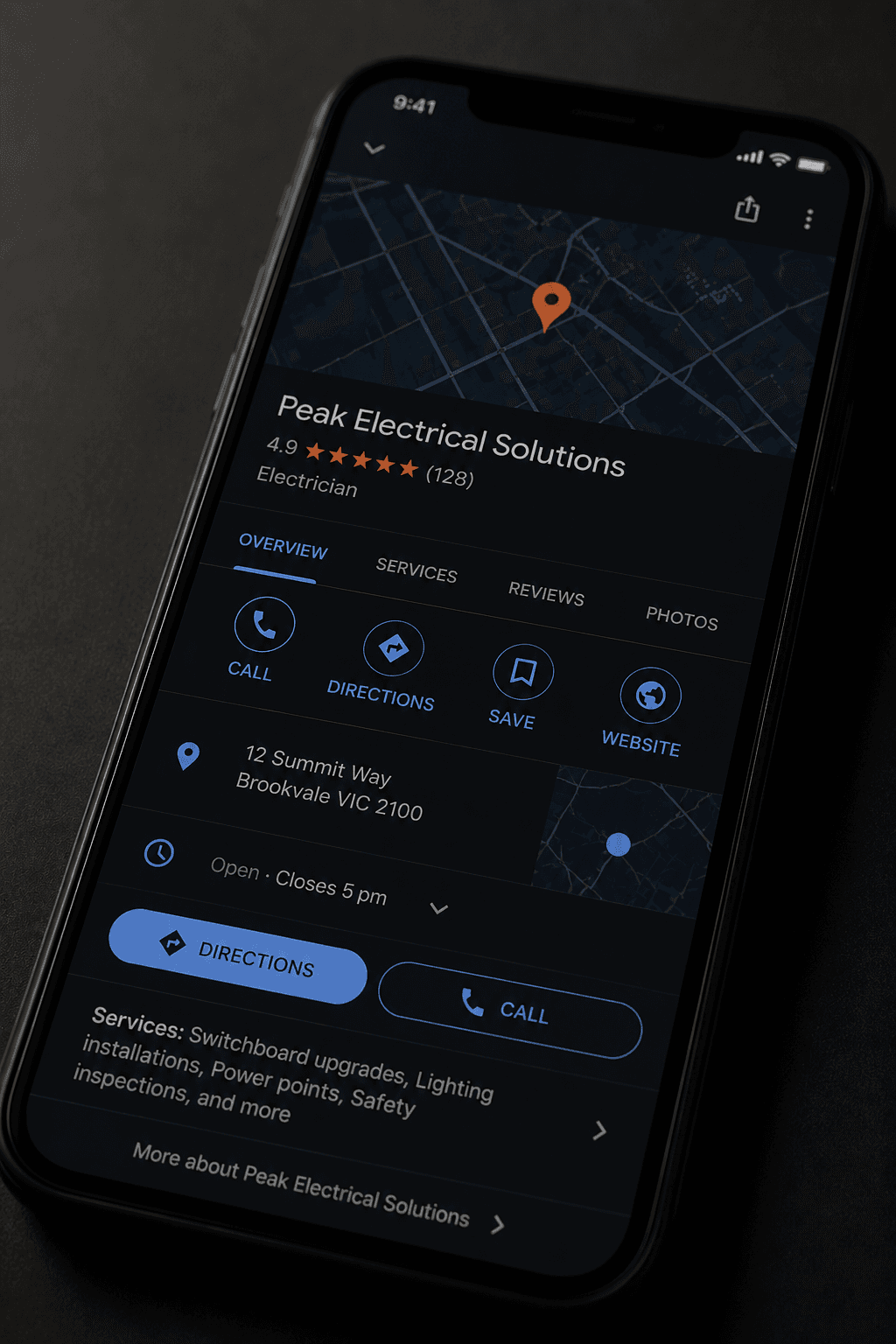
Google Business Profile
Your GBP listing is often the first thing a customer sees before your website. Set up correctly and kept current, it drives map pack appearances and direct enquiries from local searches.
The Reality of Running a Small Business Website
Visitors Make Decisions in Under 10 Seconds
The average visitor to a small business website decides within 8 to 10 seconds whether to stay or leave. That is not enough time to read paragraphs of text about how long the business has been running or what values the owner holds. In that window, a visitor needs to understand what the business does, whether it covers their area or situation, and whether there is an obvious next step. Most small business websites fail all three. The homepage either tries to explain everything at once or says almost nothing useful at all, and the visitor bounces to the next result.
The Comparison Problem Most Owners Overlook
Customers searching for a service rarely contact the first result they find. Research consistently shows that people compare 3 to 5 options before making contact, which means your website is almost always being viewed alongside competitors. A visitor landing on your site already has a tab open for someone else. If your site is harder to read, slower to load, or less clear about services and coverage, the decision goes to the other business. Small business owners often assume enquiries are lost on price. The reality is most are lost at the point of comparison, before price ever enters the conversation.
Generic Websites Fail to Build Enough Trust
A site that looks like it was built from a free template in an afternoon signals to the visitor that the business may not be established enough to trust with their job. This is a harsh reality, but it is the one your potential customers are experiencing silently. Trust signals on a small business website include clear service descriptions, an obvious service area, visible contact options, and evidence of real work or real customers. Remove any of those and the visitor starts to have doubts they will not voice, they will simply leave.
Search Engines Need Structure Too
A small business website built without SEO foundations is a site that relies entirely on paid ads or word of mouth to stay visible. Organic search is how most customers find local service providers, and a site without properly structured pages, title tags, and location signals will not rank for the terms that matter. Getting found for something like "plumber in Maidstone" or "electrician near me" requires the site to be built in a way that tells search engines exactly what the business does and where it operates. That structural work needs to happen during the build, not be bolted on afterwards.
The Cost of Getting It Wrong Twice
Many small businesses have already paid for one website that did not deliver results and are now considering a second build. The common pattern is a cheap build from a generalist freelancer, followed by months of no enquiries, followed by the conclusion that websites just do not work for their type of business. The real conclusion should be that a website built without commercial structure and SEO foundations is unlikely to perform regardless of how much it costs. Getting the build right the first time costs more upfront but avoids the double spend most businesses encounter.
A Small Business Website Built to Generate Enquiries
Pages, Scope, and Structure
A small business website built for enquiries typically needs between 5 and 10 pages to do the job properly. A homepage, a services overview, individual pages for the main services offered, a contact page, and where relevant an about page and a service area page. Trying to cover everything on a single homepage is a common mistake that hurts both the user experience and search visibility. Each service needs its own page so that Google can index it properly and a visitor searching specifically for that service lands on a page built around their intent. The exact page count depends on the number of services and the geographic coverage required.
SEO Foundations and Local Visibility
Every build includes the SEO foundations that a small business website needs to have any chance of ranking in local search. That means properly structured title tags and meta descriptions for every page, correct heading hierarchy, a sitemap, Google Search Console setup, and schema markup that tells Google what type of business it is dealing with, what services are offered, and where the business operates. LocalBusiness and Service schema are both included as standard because they help Google connect the site to relevant searches and can improve how the listing appears in results. This is not optional for a business that needs organic visibility to generate enquiries.
Google Business Profile Integration
A small business website built without a properly connected Google Business Profile is missing a significant visibility channel. The GBP listing appears in map results and local pack searches, which are often the first thing a potential customer sees before they even reach a website. MAI Solutions sets up and optimises the GBP listing as part of the build process, ensuring the profile is consistent with the website, populated correctly, and positioned to appear in the searches that matter. For service businesses operating in a defined area, the GBP listing can generate more direct enquiries than the website itself.
Pricing and Timeline
A small business website built through MAI Solutions typically falls in the range of 1,500 to 3,000 pounds depending on scope, page count, and whether ongoing support is included. The build process from briefing to launch is usually 3 to 5 weeks. That timeline assumes the business owner is available to review and provide feedback, and that content such as service descriptions and photography is either provided or agreed on early. Rushed builds with unclear briefs take longer and produce weaker results. A clear brief and a realistic timeline produce a better site and a more straightforward experience.
Hosting, Updates, and Ongoing Support
The site is hosted on fully managed infrastructure with updates and maintenance handled as standard. Business owners do not need to think about plugin updates, security patches, or downtime. Optional ongoing support packages cover things like new service pages, seasonal content updates, and SEO performance reviews. For a small business without an in-house marketing team, having someone who understands the site and can make changes quickly is genuinely useful. A site that never gets updated gradually loses ground in search results, so ongoing maintenance is not just a convenience, it is a commercial decision.
Is This the Right Fit?
This build is a strong fit for small service businesses and trades that rely on enquiries to generate revenue and want a site that works as a commercial tool rather than a brochure. It suits businesses that are ready to invest properly in a build and understand that results come from structure and search visibility, not just from having any website live. It is not the right fit for businesses that want the cheapest possible holding site with no SEO consideration, or for businesses that are still unclear on which services they want the website to focus on. It is also unlikely to suit anyone who wants a site built and then never reviewed or updated again.
A simple, structured process that keeps the project clear from the first plan through to launch and ongoing support.
Examples of businesses that needed a stronger online presence, clearer service presentation, and a website that felt more credible from the first visit.







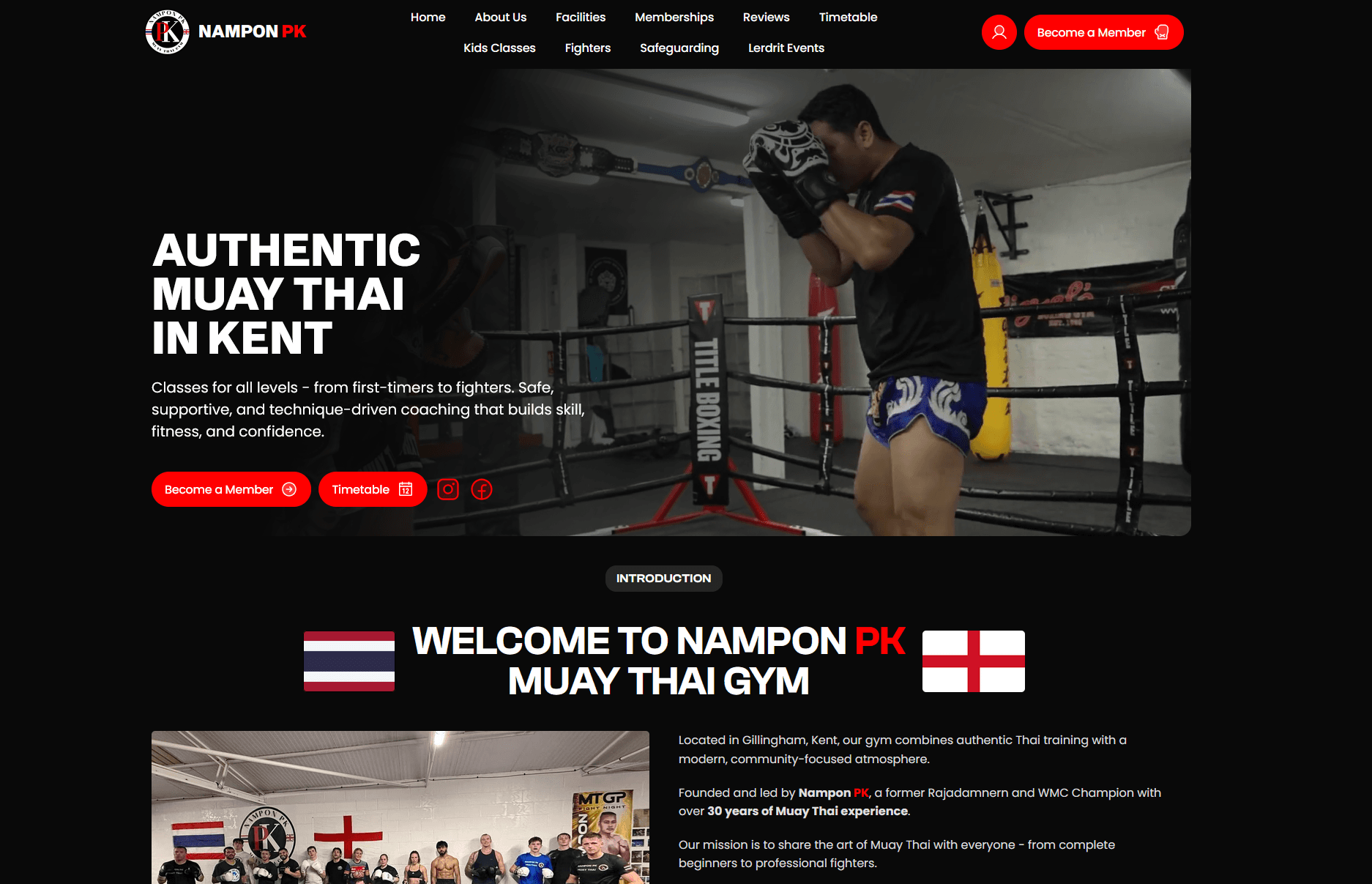

Structured websites for service businesses that need clearer messaging, stronger page flow, and a better path from visit to enquiry. Built to support trust, usability, and long-term growth.
Local SEO foundations built into the website structure, including service targeting, location relevance, internal linking, and page hierarchy that helps search engines understand what you do and where you work.
Google Business Profile setup and optimisation focused on stronger local visibility, accurate business information, and a profile that supports calls, map discovery, and enquiry-driven traffic.
Managed website hosting with ongoing support, maintenance, monitoring, and updates to keep the site secure, reliable, and useful after launch.