Professional service businesses often invest in websites that look polished but do not perform commercially because they were built around aesthetics rather than the decisions a potential client needs to make before getting in touch. A visitor landing on a professional services website is typically evaluating whether the firm handles their specific situation, whether the people involved are credible, and whether the process of working together is clear. A site that answers all three of those questions clearly will generate enquiries. One that looks good but leaves those questions unanswered will not, regardless of how much was spent on the design.
Most underperforming websites do not fail because the business is poor. They fail because the structure is unclear, the services are too vague, and the site does not help people decide what to do next.


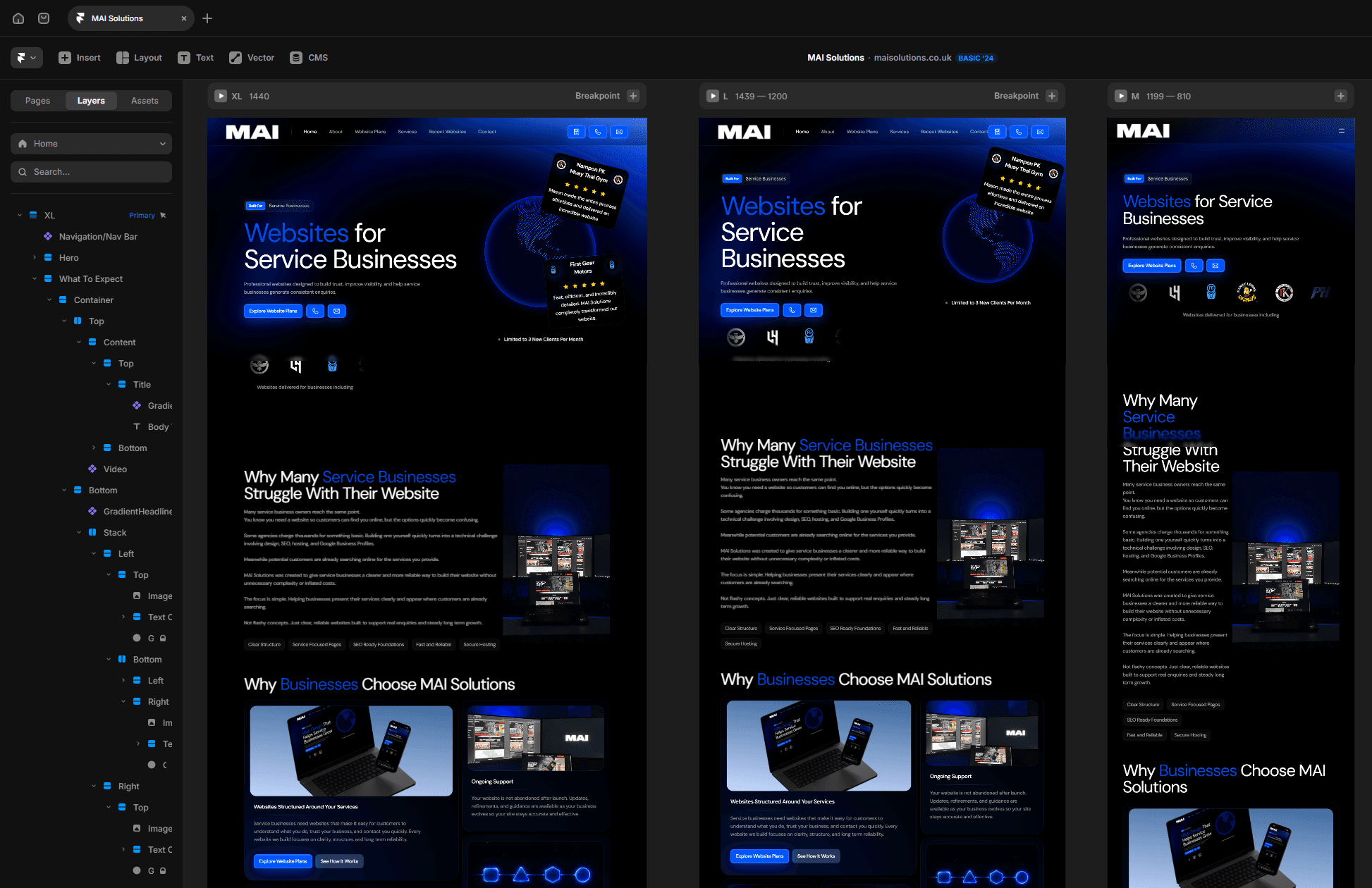
Web Design
A site built around how your customers search and decide, not just how it looks. Every page is structured to generate enquiries, with SEO foundations included from the start.
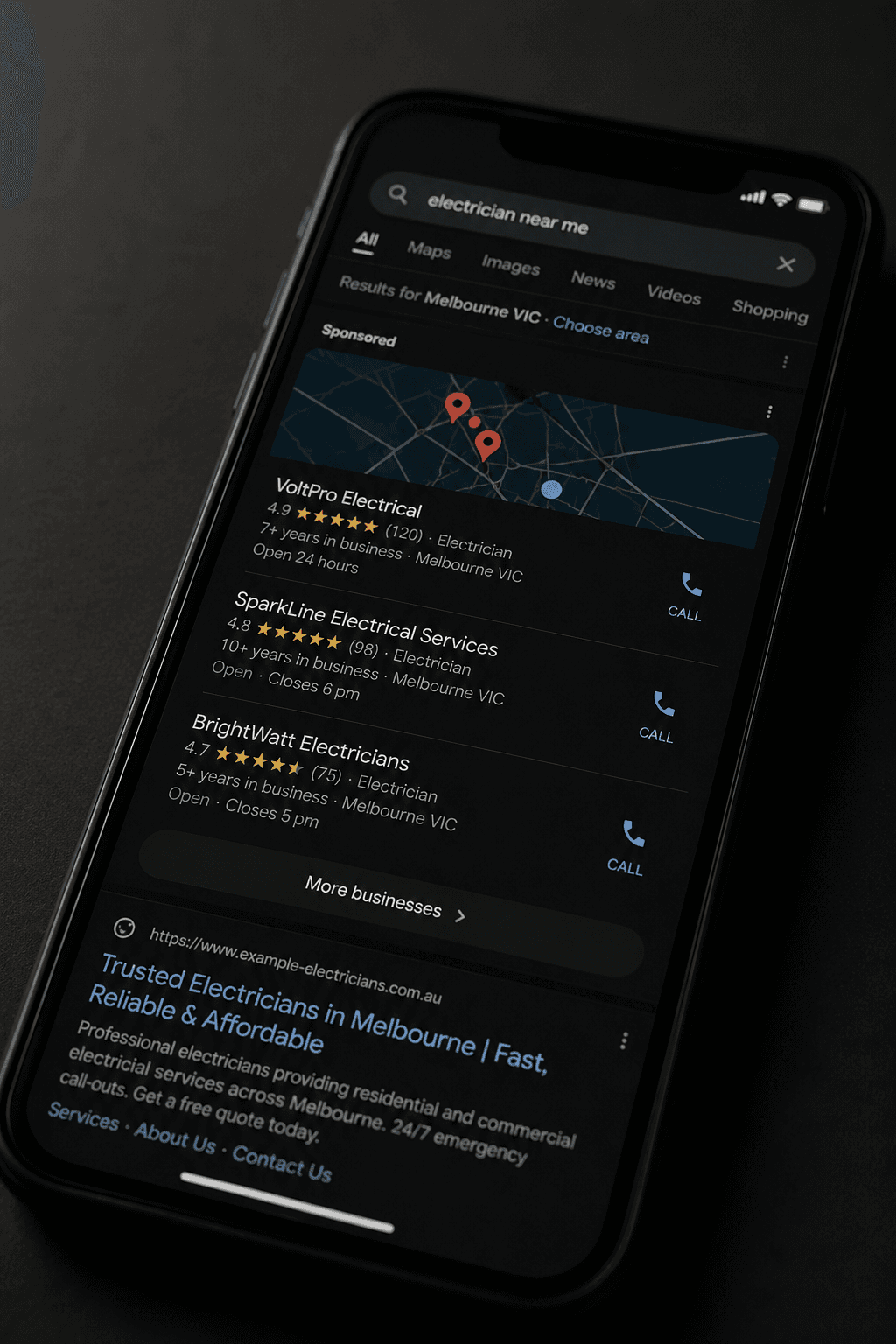
SEO
Local search visibility built into the structure of your site, not bolted on after. The right page titles, schema markup, and location signals so your business appears where customers are actually looking.
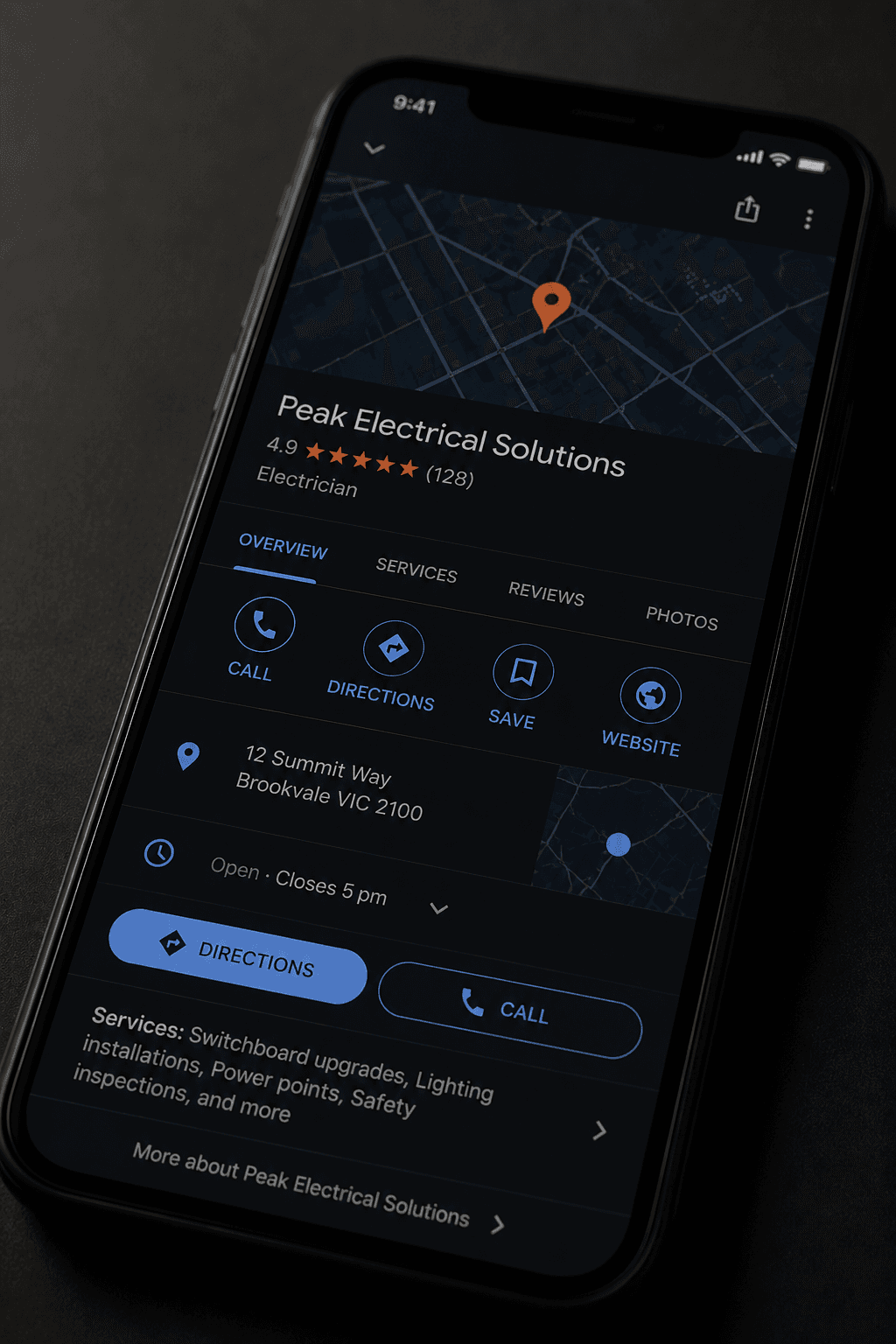
Google Business Profile
Your GBP listing is often the first thing a customer sees before your website. Set up correctly and kept current, it drives map pack appearances and direct enquiries from local searches.
Why Professional Service Websites Need a Different Approach to Structure
Professional Service Buyers Research Differently to Consumer Customers
A business owner or individual considering a professional service, whether that is an accountant, solicitor, consultant, or specialist adviser, is not making a quick decision. They are assessing risk. The website is not just a marketing tool in that context. It is part of the credibility evaluation. The potential client will look at who is behind the business, what their experience covers, whether they have worked with clients in a similar situation, and whether the process of engaging them is clear and straightforward. A professional services website that does not address each of those points directly will consistently lose prospective clients to firms whose websites do, even when the underlying quality of the service is comparable.
The Positioning Problem That Holds Most Professional Service Websites Back
Professional service websites frequently suffer from positioning that is too broad to be meaningful. Describing a firm as offering "comprehensive solutions" or "tailored advice" tells a potential client nothing about whether the firm is actually relevant to their situation. A solicitor who primarily handles commercial property disputes and a general practice firm offering everything from conveyancing to family law are very different businesses, but they often present themselves with almost identical language. Being specific about the types of client served, the situations handled, and the outcomes delivered is not a commercial risk. It is what makes the right clients recognise themselves in the website and decide to get in touch.
Why Credibility Signals Need to Be Positioned Carefully
Professional service websites often include credibility signals, qualifications, accreditations, case examples, client testimonials, but position them in ways that reduce their effectiveness. A wall of logos and certificates on a dedicated accreditations page that nobody visits does less work than a specific case example positioned on a relevant service page at the exact point where a potential client is deciding whether to enquire. Credibility signals need to be placed where they do commercial work, not gathered in a section of the site designed to tick a compliance box. Getting the positioning of those elements right is as important as having them at all.
How Professional Service Clients Use Websites in the Research Process
Most professional service clients will visit a website two or three times before making contact, often over a period of days. They will look at the services pages, read about the team, check for evidence of relevant experience, and assess the general tone of the firm before deciding whether to reach out. That research pattern means a professional services website needs to hold up to repeated scrutiny, not just make a good first impression. Every page should reinforce the same message about what the firm does well and who it works with, so that by the time the client decides to make contact they already feel confident about the decision.
What a Professional Services Website Should Actually Include
Service Pages Built Around Client Situations
A professional services website needs service pages that are structured around the situations clients find themselves in, not just a list of the firm's capabilities. A client searching for help with a commercial lease dispute, a business valuation, or an employment tribunal claim is thinking about their problem, not the firm's service menu. Pages built around those client situations, with enough depth to demonstrate genuine understanding, will consistently convert better than capability-led pages that describe what the firm does without connecting it to what the client needs.
Team and About Pages That Do Commercial Work
For professional service businesses, the people behind the firm are a core part of the buying decision. A team page with photos, brief professional backgrounds, and a clear sense of who handles what type of work gives potential clients the human context they need to feel comfortable making contact. An about page that explains the firm's focus, the types of clients it typically works with, and what the engagement process looks like removes uncertainty at the point where many potential clients hesitate. These pages are not supplementary content. They are part of the conversion process.
Case Examples and Social Proof Positioned to Convert
Case examples and client testimonials are most effective when they are positioned on relevant service pages rather than collected on a single testimonials or case studies page. A potential client reading about a specific service is more likely to be influenced by an example of that service delivered successfully than by a generic testimonial on a separate page they may never visit. Building social proof into the service pages themselves, at the point where the client is evaluating whether to enquire, is what makes those elements commercially useful rather than decorative.
Pricing and Timeline Context
Professional service websites often avoid any mention of fees, which creates uncertainty for potential clients who want to assess whether the engagement is broadly in scope for them before committing to a conversation. Providing a realistic sense of how fees are structured, whether that is a fixed fee for specific work, an hourly rate, or a retained arrangement, removes that barrier and attracts enquiries from clients who have already decided the investment is likely to be worth it. A MAI Solutions professional services website typically costs between £1,500 and £3,000 depending on the number of service pages, the level of case study content, and whether ongoing support is included.
The Enquiry Process Needs to Feel Low-Risk
Professional service clients are often cautious about making the first contact because they are not sure what they are committing to. A contact page or enquiry process that sets clear expectations about what happens next, what the initial conversation covers, and what the firm does with the information provided, makes that first step feel significantly less daunting. Simple, low-friction enquiry options with clear next-step descriptions will consistently outperform generic contact forms that give the client no sense of what making contact actually involves.
Who This Is the Right Fit For
This service works well for professional service businesses that are established, have a clear sense of the client types and situations they handle best, and want a website that generates qualified enquiries rather than just presenting credentials. It is not the right fit for a firm that is still working out its positioning, wants a site with no ongoing maintenance, or is looking for a cheap template without the strategic foundations that make professional service websites commercially effective. A professional services website built without clear positioning and structure will not generate the enquiries that justify the investment.
A simple, structured process that keeps the project clear from the first plan through to launch and ongoing support.
Examples of businesses that needed a stronger online presence, clearer service presentation, and a website that felt more credible from the first visit.







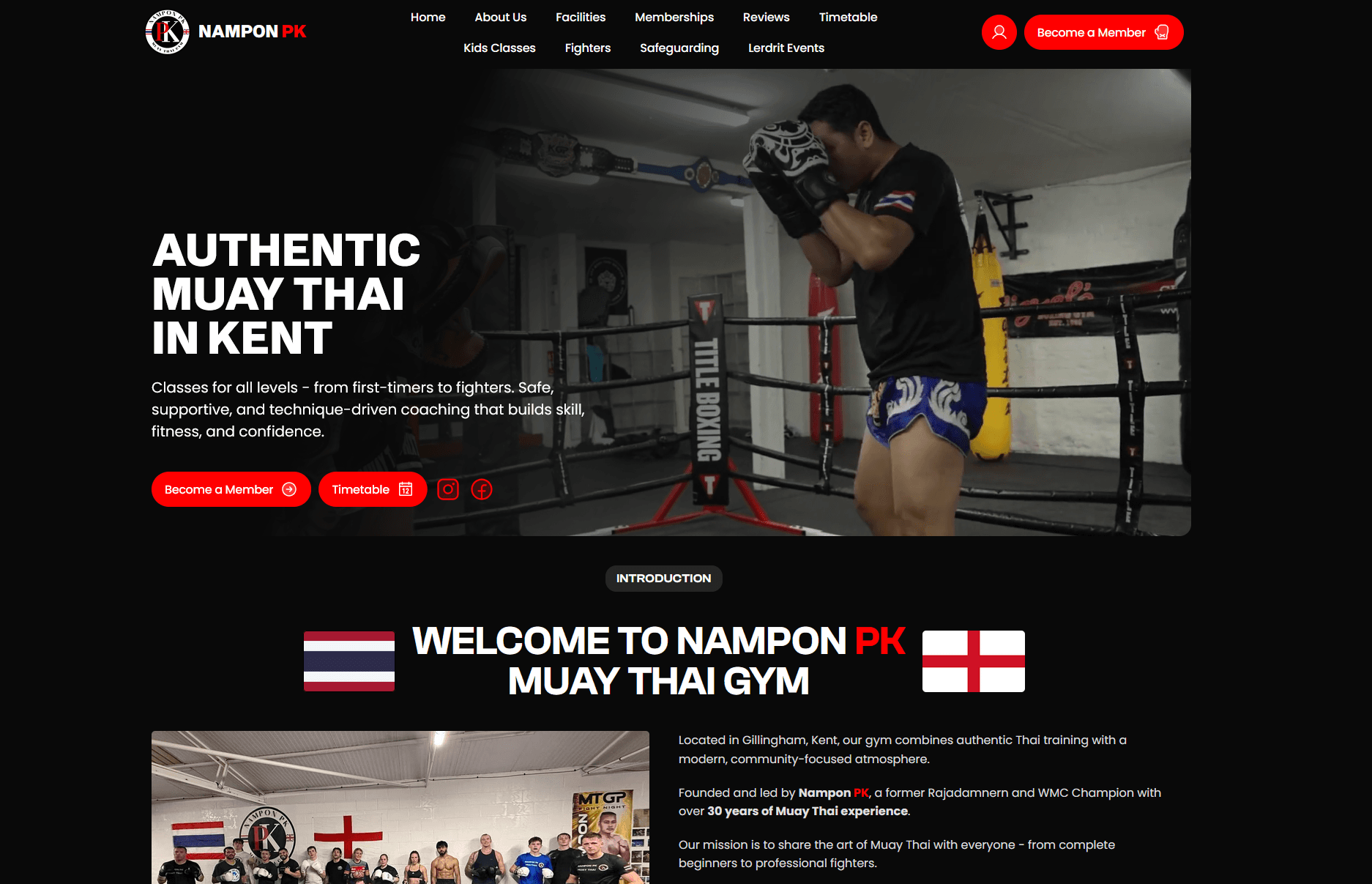

Structured websites for service businesses that need clearer messaging, stronger page flow, and a better path from visit to enquiry. Built to support trust, usability, and long-term growth.
Local SEO foundations built into the website structure, including service targeting, location relevance, internal linking, and page hierarchy that helps search engines understand what you do and where you work.
Google Business Profile setup and optimisation focused on stronger local visibility, accurate business information, and a profile that supports calls, map discovery, and enquiry-driven traffic.
Managed website hosting with ongoing support, maintenance, monitoring, and updates to keep the site secure, reliable, and useful after launch.