
Web Design
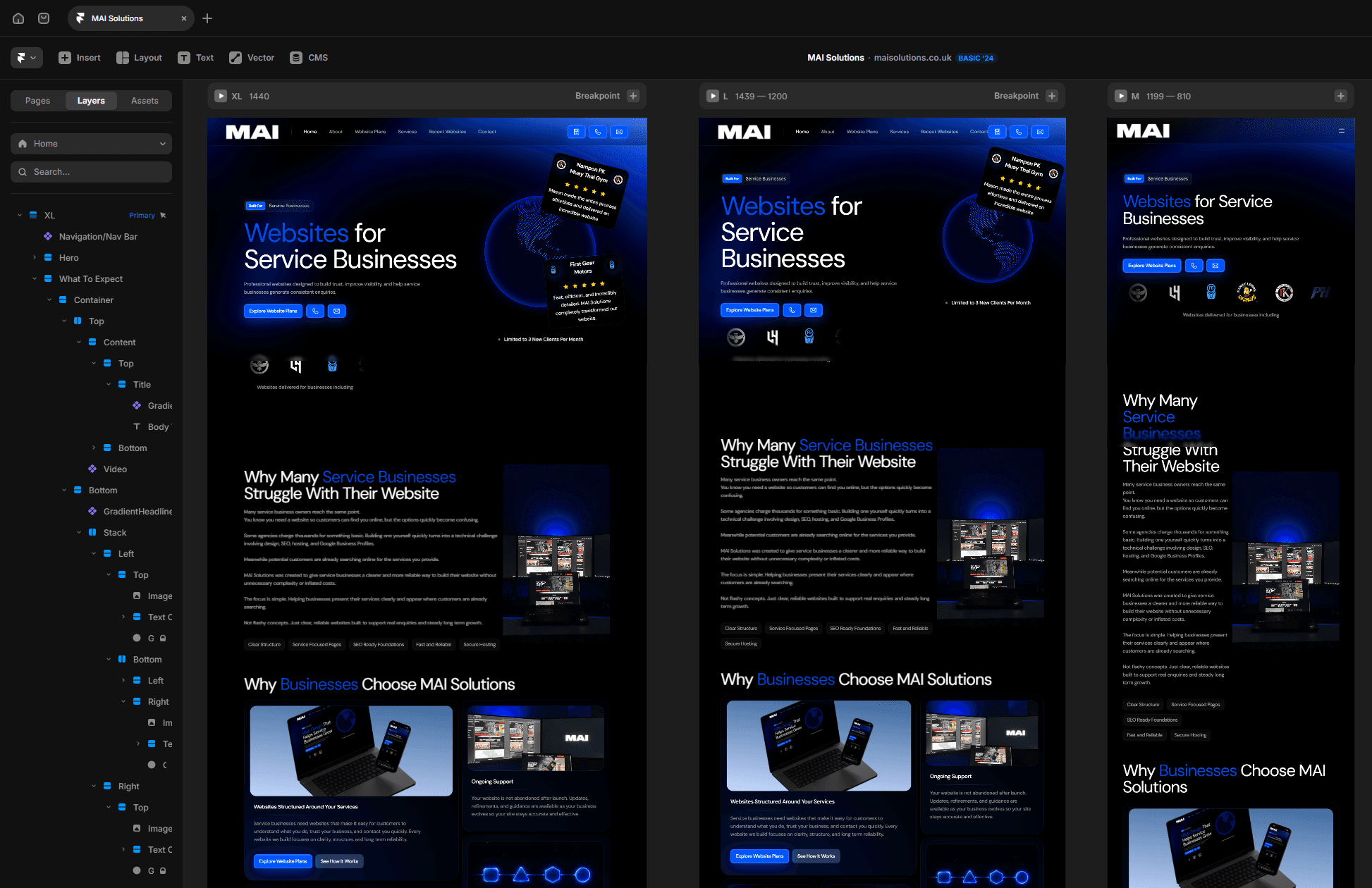
A site built around how your customers search and decide, not just how it looks. Every page is structured to generate enquiries, with SEO foundations included from the start.
SEO
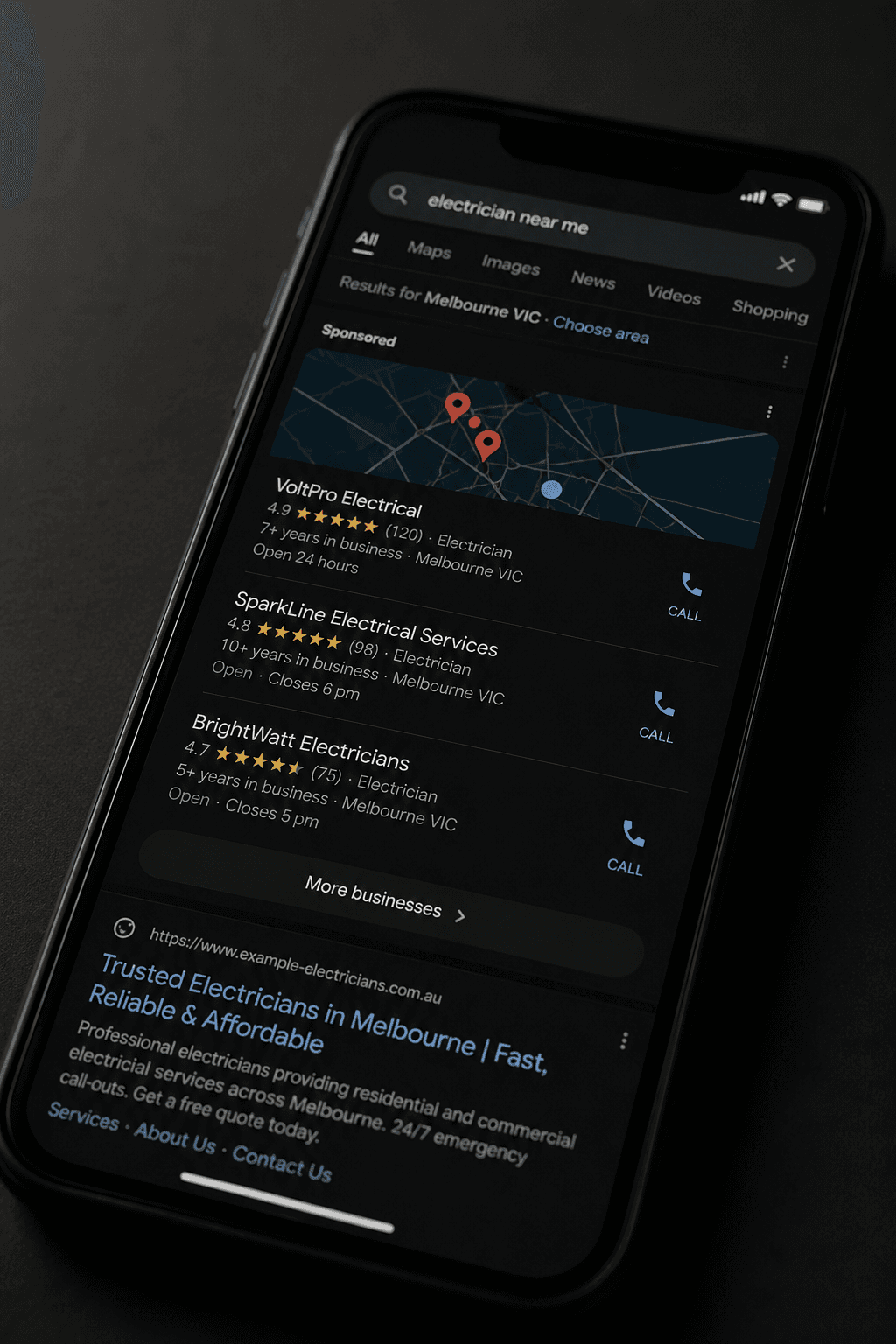
Local search visibility built into the structure of your site, not bolted on after. The right page titles, schema markup, and location signals so your business appears where customers are actually looking.
Google Business Profile
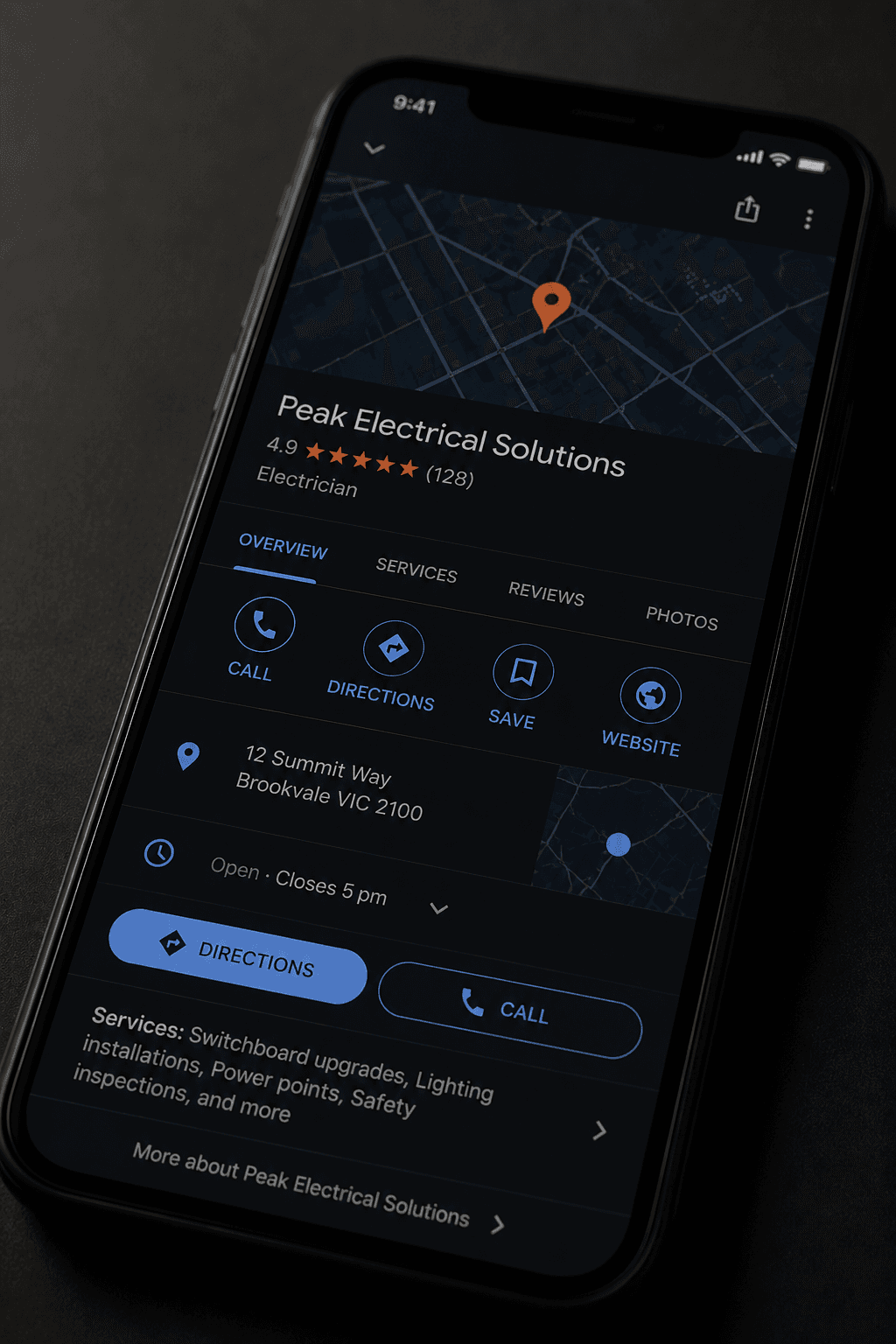
Your GBP listing is often the first thing a customer sees before your website. Set up correctly and kept current, it drives map pack appearances and direct enquiries from local searches.
Most underperforming websites do not fail because the business is poor. They fail because the structure is unclear, the services are too vague, and the site does not help people decide what to do next.

Why Web Design Pricing in the UK Is So Confusing
Everyone quotes a different number
Ask five web designers what a website costs and you'll get five completely different answers. That's not because the market is chaotic - it's because the word "website" covers everything from a one-page holding page to a fully structured, SEO-ready site built to generate enquiries. The price range is wide because the scope range is wide.
Most comparisons are not comparing the same thing
A £400 website and a £2,000 website are not slower or faster versions of the same product. They are different products. One is usually a template with your logo dropped in and a contact form bolted on. The other is built around how your customers search, what they need to see before they pick up the phone, and whether Google can actually find it.
The cheapest option usually costs more over time
Businesses that go cheap on their first website often end up paying twice - once for the original build, and again when they realise it isn't doing anything. A site that doesn't rank, doesn't load properly on mobile, and doesn't convert visitors into enquiries is not an asset. It's a cost with no return.
What you're really buying is commercial structure
A website that generates enquiries is built differently to one that just exists. It needs the right page structure, clear calls to action, local SEO foundations, and copy written around what customers are actually searching for. That work takes time and knowledge. It's why there's a meaningful price gap between a site that performs and one that doesn't.
Where this guide focuses
This breakdown is aimed at small and medium service businesses - trades, local companies, and enquiry-driven businesses - where the website's job is straightforward: get found, explain the service clearly, and make it easy to get in touch. That's the context most relevant to the pricing tiers below.
What Each Price Point Actually Gets You
£300–£800: budget freelancers and entry-level builds
At this level you'll find newer designers building their portfolio, template-based builds, and platforms like Fiverr or PeoplePerHour. The output is inconsistent. Some designers at this price are genuinely capable and undercharging - others will produce something that looks roughly finished but has no SEO structure, loads slowly, and won't rank for anything. The bigger issue is what happens after handover. Support tends to be minimal, and if something breaks or needs updating six months later, you're often starting from scratch.
£800–£2,500: quality freelancers and specialists
This is the realistic range for a properly built website for most UK service businesses. At this level you should expect a site designed around your specific business and audience, correct on-page SEO from day one, fast load times on mobile, and a designer who understands what the site needs to achieve commercially. The best work in this range comes from specialists - designers who focus on a specific type of business and understand what that customer needs to see before they enquire. A generalist at this price is a different proposition to someone who builds trade or service websites specifically.
£2,500–£6,000: small agencies
Small agencies bring more process and more people involved in the project. For straightforward local business websites, that overhead rarely improves the end result - you're often paying for account management and project structure rather than a meaningfully better website. Where this tier earns its fee is on more complex builds: multi-location businesses, sites with booking or payment systems, or companies that need integrated marketing support alongside the site.
£6,000+: full-service agencies
Top-end agencies are built for larger brands, retailers, and businesses where the website is a core revenue channel with significant ongoing resource behind it. For most local service businesses in the UK, this level of spend doesn't make commercial sense. The return isn't there unless the business is operating at a scale where it does.
Monthly retainers vs one-time builds
A retainer model - lower upfront cost, monthly fee covering hosting, maintenance, and ongoing SEO work - suits most small service businesses better than a large one-time payment. The key question is what the monthly fee actually covers. Hosting and maintenance alone is worth around £30–£80/month. A retainer that includes active SEO work, copy updates, and performance improvements is a different product and sits closer to £100–£200/month. Make sure you know which one you're buying.
Who this isn't right for
If your main priority is the lowest possible upfront cost and you're not focused on whether the site generates enquiries, a budget build will technically give you an online presence. It's worth being clear about that trade-off rather than paying for something in between. A properly structured site makes commercial sense when the business is actively trying to win work through it.
A simple, structured process that keeps the project clear from the first plan through to launch and ongoing support.
Examples of businesses that needed a stronger online presence, clearer service presentation, and a website that felt more credible from the first visit.







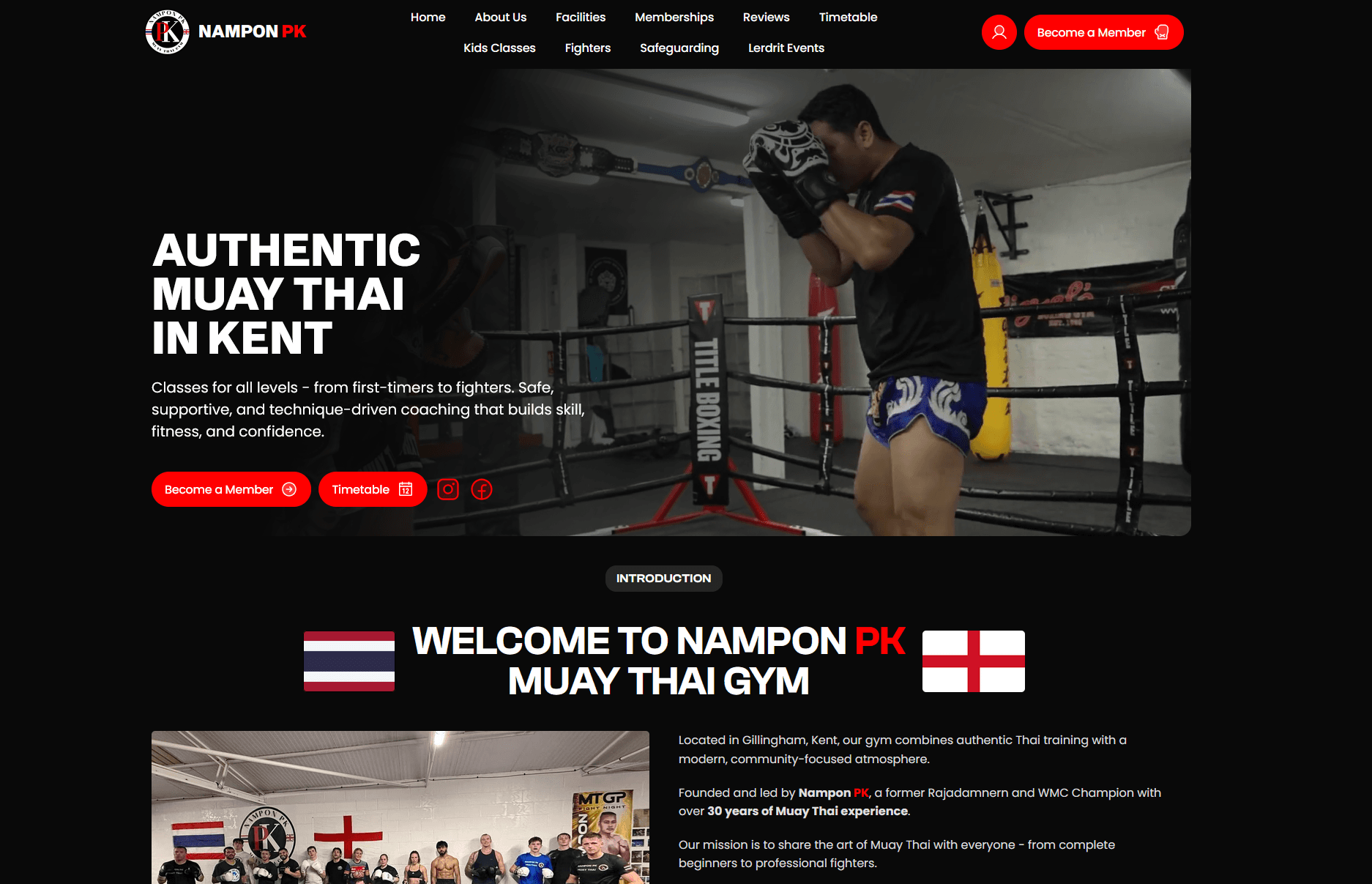

Structured websites for service businesses that need clearer messaging, stronger page flow, and a better path from visit to enquiry. Built to support trust, usability, and long-term growth.
Local SEO foundations built into the website structure, including service targeting, location relevance, internal linking, and page hierarchy that helps search engines understand what you do and where you work.
Google Business Profile setup and optimisation focused on stronger local visibility, accurate business information, and a profile that supports calls, map discovery, and enquiry-driven traffic.
Managed website hosting with ongoing support, maintenance, monitoring, and updates to keep the site secure, reliable, and useful after launch.