B2B websites often fail not because the business lacks credibility, but because the site does not communicate clearly enough what the business does, who it does it for, and why a potential client should make contact rather than continuing to browse. Decision-makers searching for a B2B service are evaluating several options at once, and a website that uses vague positioning language, buries its actual offer, or does not make the next step obvious will be passed over in favour of one that does. Clear structure and commercial specificity are what turn a B2B website into an enquiry generator.
Most underperforming websites do not fail because the business is poor. They fail because the structure is unclear, the services are too vague, and the site does not help people decide what to do next.


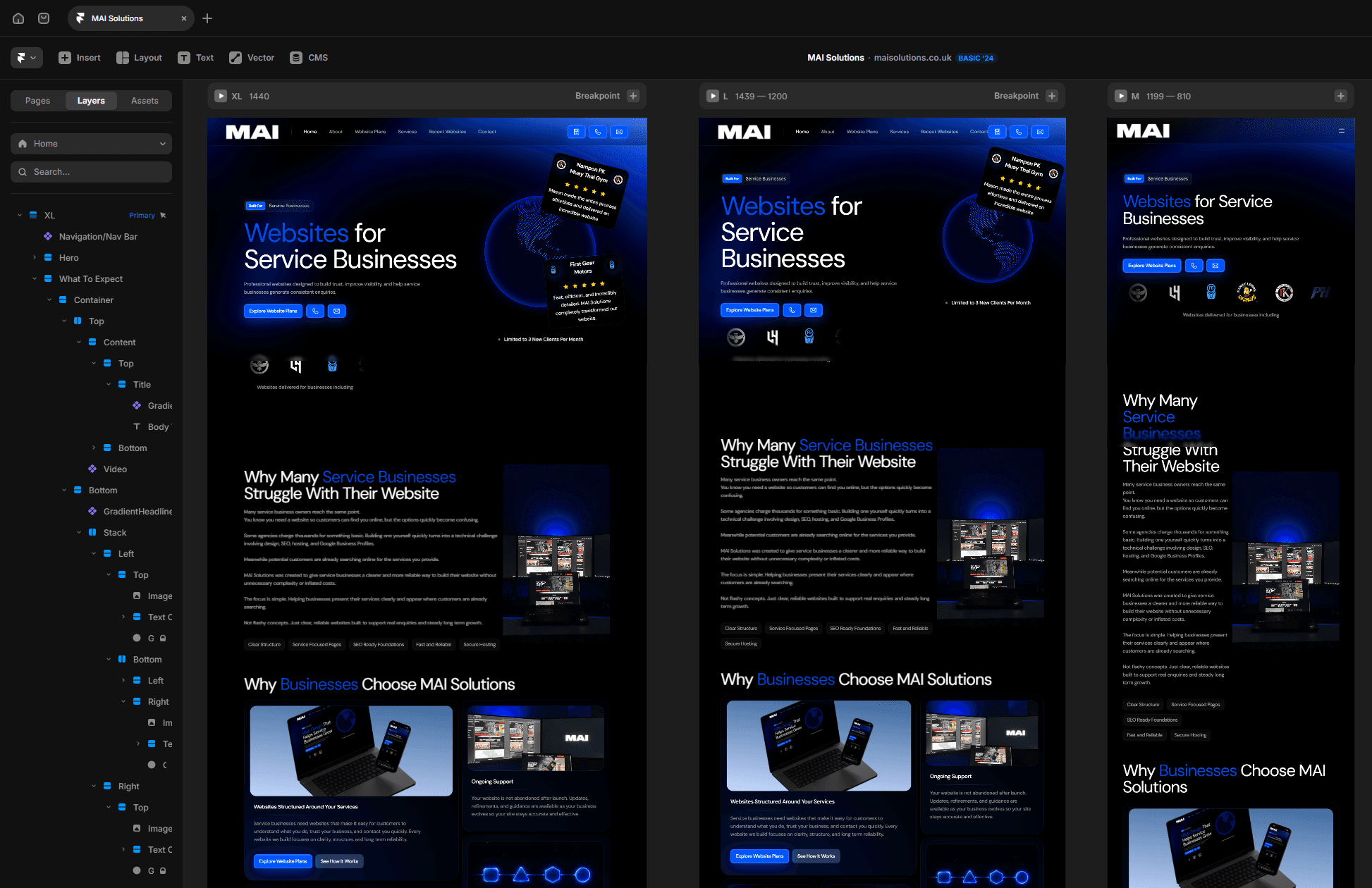
Web Design
A site built around how your customers search and decide, not just how it looks. Every page is structured to generate enquiries, with SEO foundations included from the start.
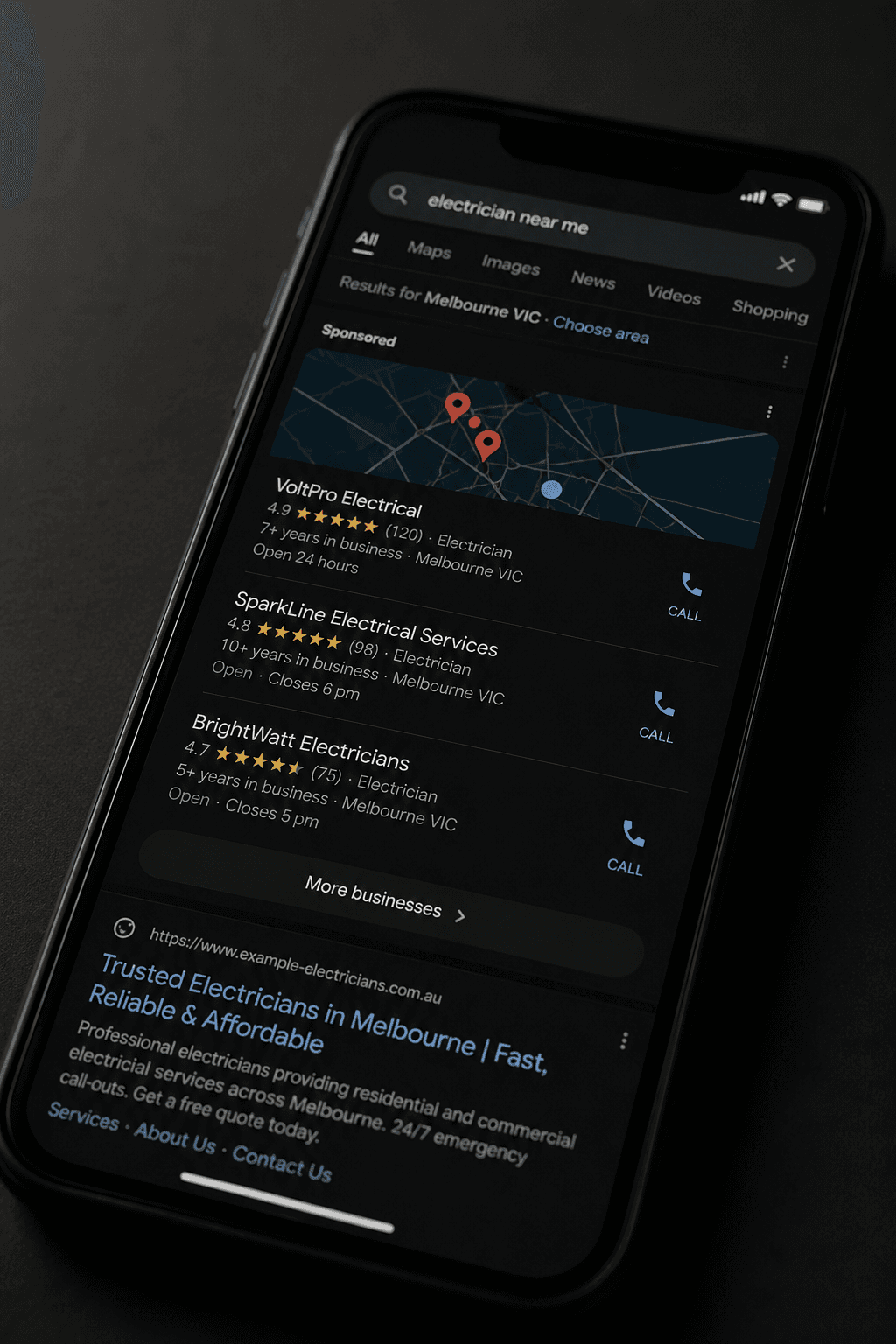
SEO
Local search visibility built into the structure of your site, not bolted on after. The right page titles, schema markup, and location signals so your business appears where customers are actually looking.
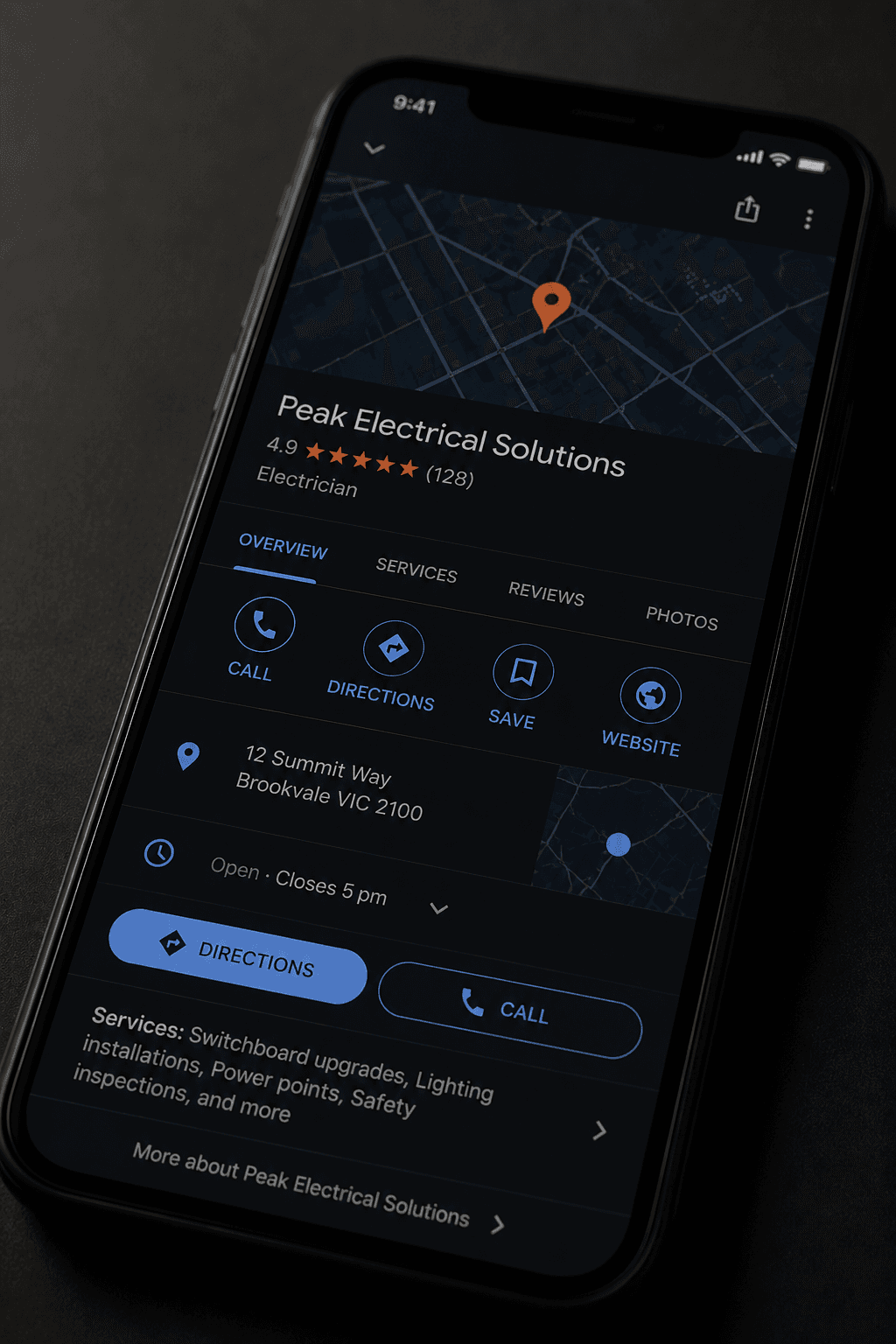
Google Business Profile
Your GBP listing is often the first thing a customer sees before your website. Set up correctly and kept current, it drives map pack appearances and direct enquiries from local searches.
Why B2B Websites Need a Different Approach to Structure
B2B Buyers Research Differently to Consumer Customers
A business owner or decision-maker researching a B2B service is not making an impulse decision. They are typically comparing two or three providers, assessing credibility, and looking for evidence that the business understands their specific situation. That research process might involve multiple visits to the same website over several days, with different stakeholders looking at different aspects of the offer. A B2B website that does not clearly communicate what the business does, who it works with, and why it is worth considering will not survive that research process, regardless of how strong the underlying service is.
The Positioning Problem That Affects Most B2B Websites
The most common problem with B2B websites is positioning language that is too broad to be meaningful. Phrases like "tailored solutions" and "end-to-end service" appear on thousands of B2B websites and tell the reader nothing about what the business actually does or whether it is relevant to them. A potential B2B client wants to know quickly whether this business understands their industry, handles their type of project, and works with companies at their scale. A website that answers those questions directly and specifically will generate more qualified enquiries than one that stays deliberately vague in an attempt to appeal to everyone.
Why the Wrong Enquiries Are as Costly as No Enquiries
A B2B website that is too broad in its positioning will attract enquiries that are not the right fit, which costs time and creates the impression of a busy but ineffective sales process. Being specific about who the service is for, what size of business it works best with, and what types of projects are in scope, is not a risk. It is what makes the enquiries that do come in genuinely worth responding to. A well-structured B2B website qualifies visitors before they make contact, which means fewer wasted conversations and more projects that actually progress.
How B2B Search Behaviour Differs From Local Consumer Search
B2B searches tend to be more specific and less geographically driven than consumer trades searches. A business looking for a web design agency is not necessarily searching by town. They are searching by service type, sector, or a specific need they are trying to solve. That means B2B pages need to be structured around the problems being solved and the types of clients being served, not just the location. The keywords that drive B2B enquiries are often longer and more specific, which means the content needs to reflect that specificity rather than targeting broad terms with high competition and low commercial intent.
What a B2B Website Should Actually Include
Clear Service Pages Built Around Client Problems
A B2B website needs service pages that are structured around the problems clients are trying to solve, not just a list of what the agency or business offers. A decision-maker landing on a service page wants to quickly establish whether this is relevant to their situation, what the process involves, and what a successful outcome looks like. Pages that are built around client outcomes rather than supplier capabilities will consistently convert better because they speak the language of the person making the decision, not the language of the business doing the selling.
Sector or Client Type Specificity Where It Applies
If the B2B business works predominantly with a particular sector or client type, the website should reflect that clearly. A business that works mainly with professional services firms, or with manufacturers, or with multi-site operators will generate better-qualified enquiries from a website that says so explicitly than from one that tries to appeal to every possible type of business. That specificity also helps with search visibility, as sector-specific terms often have lower competition than broad B2B agency terms and are searched by exactly the right type of potential client.
Case Studies and Proof Structured to Support the Enquiry Decision
B2B buyers want evidence that the business has done this before and done it well. Case studies need to be structured around the problem, the approach, and the outcome, with enough specificity to be credible. A case study that says "we helped a business improve their website" is not useful. One that explains the specific challenge the client faced, what was built, and what changed as a result gives the reader something tangible to assess. Case studies positioned at the right points in the page flow, rather than buried in a separate section, are one of the most effective conversion tools a B2B website has.
Pricing and Timeline Context That Removes Uncertainty
B2B clients often want a general sense of investment level before they commit to a conversation. A website that provides no pricing context at all creates uncertainty that some potential clients will not bother to resolve by making contact. Providing a realistic range, along with an explanation of what drives the cost up or down, removes that barrier and attracts enquiries from clients who have already assessed whether the investment is broadly in scope for them. MAI Solutions B2B websites typically cost between £1,500 and £3,000 depending on scope, with the build taking four to six weeks.
The Enquiry Process Itself Needs to Be Clear
A B2B website that does not make the next step obvious is leaving qualified visitors without a clear route to make contact. The call to action needs to feel low-friction and commercially appropriate for the context. "Get in touch" works better than "Book a consultation" for many B2B audiences because it implies a conversation rather than a commitment. The contact page itself should also set expectations about what happens next, including response time and what the initial conversation covers, so the visitor knows what they are getting into before they send the message.
Who This Is the Right Fit For
This service works well for B2B service businesses that are established, have a clear sense of who their ideal client is, and want a website that generates qualified enquiries rather than just traffic. It is not the right fit for a business that is still working out its positioning, does not have a clear sense of which services to lead with, or wants a cheap template site without the strategic foundations that make B2B websites commercially effective. A B2B website built without clear positioning will not generate the enquiries that justify the investment.
A simple, structured process that keeps the project clear from the first plan through to launch and ongoing support.
Examples of businesses that needed a stronger online presence, clearer service presentation, and a website that felt more credible from the first visit.







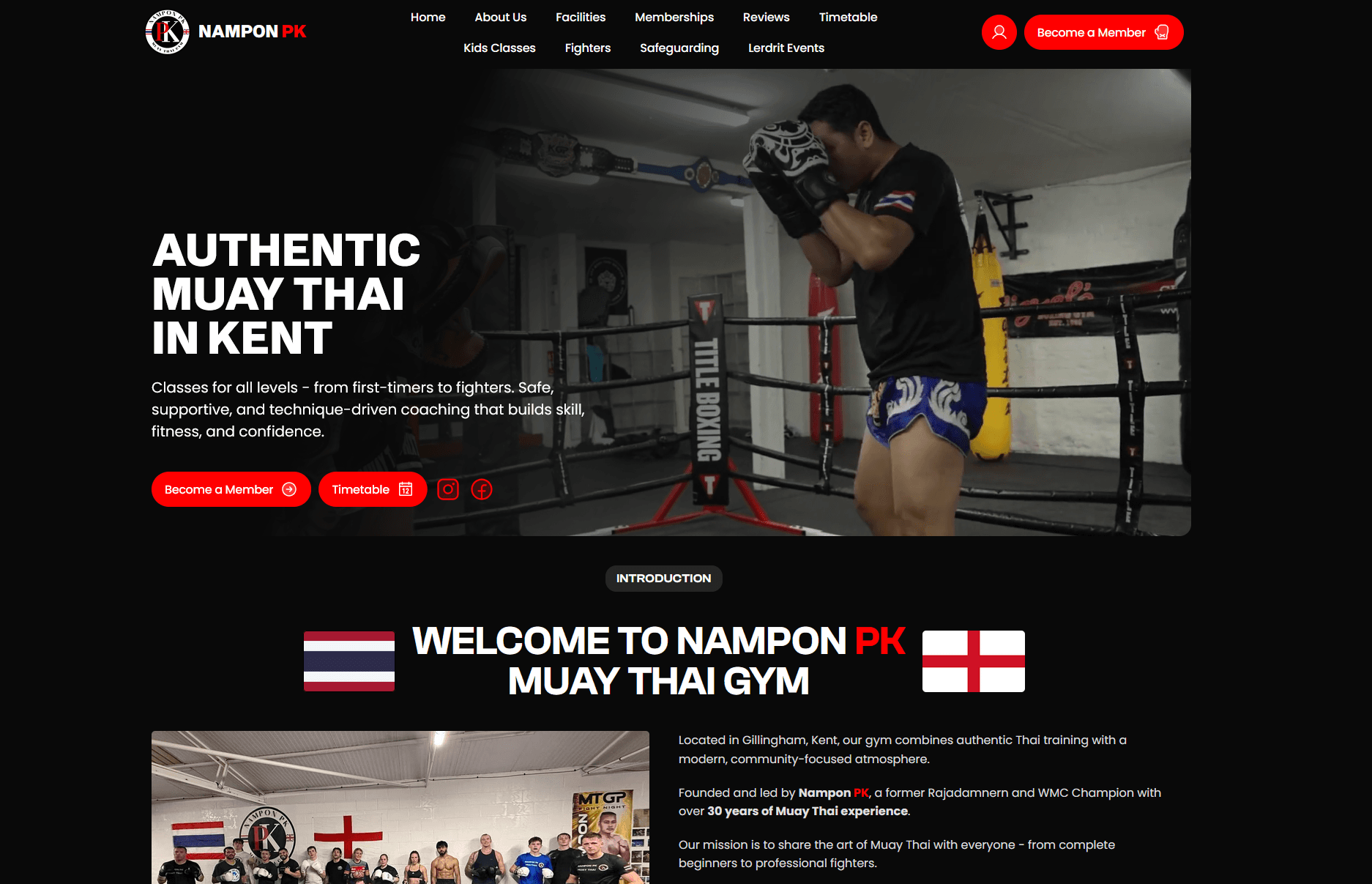

Structured websites for service businesses that need clearer messaging, stronger page flow, and a better path from visit to enquiry. Built to support trust, usability, and long-term growth.
Local SEO foundations built into the website structure, including service targeting, location relevance, internal linking, and page hierarchy that helps search engines understand what you do and where you work.
Google Business Profile setup and optimisation focused on stronger local visibility, accurate business information, and a profile that supports calls, map discovery, and enquiry-driven traffic.
Managed website hosting with ongoing support, maintenance, monitoring, and updates to keep the site secure, reliable, and useful after launch.