Web design for roofers has one job above all others: proof. Customers can't inspect a roof themselves, and the trade carries a trust problem it didn't earn alone. Roofers who show real jobs, real photos, and real reviews win the quote request.
Most underperforming websites do not fail because the business is poor. They fail because the structure is unclear, the services are too vague, and the site does not help people decide what to do next.


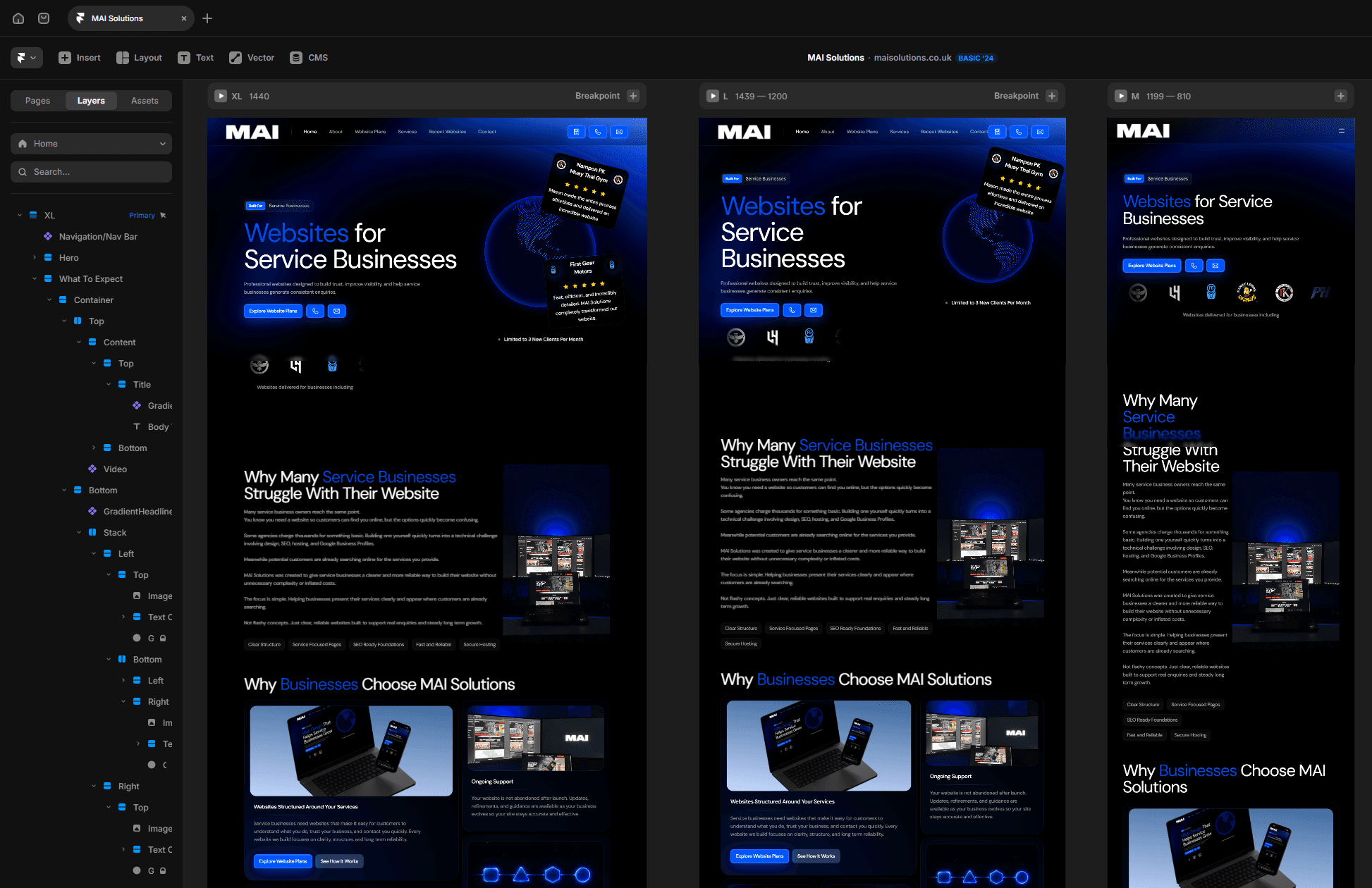
Web Design
A site built around how your customers search and decide, not just how it looks. Every page is structured to generate enquiries, with SEO foundations included from the start.
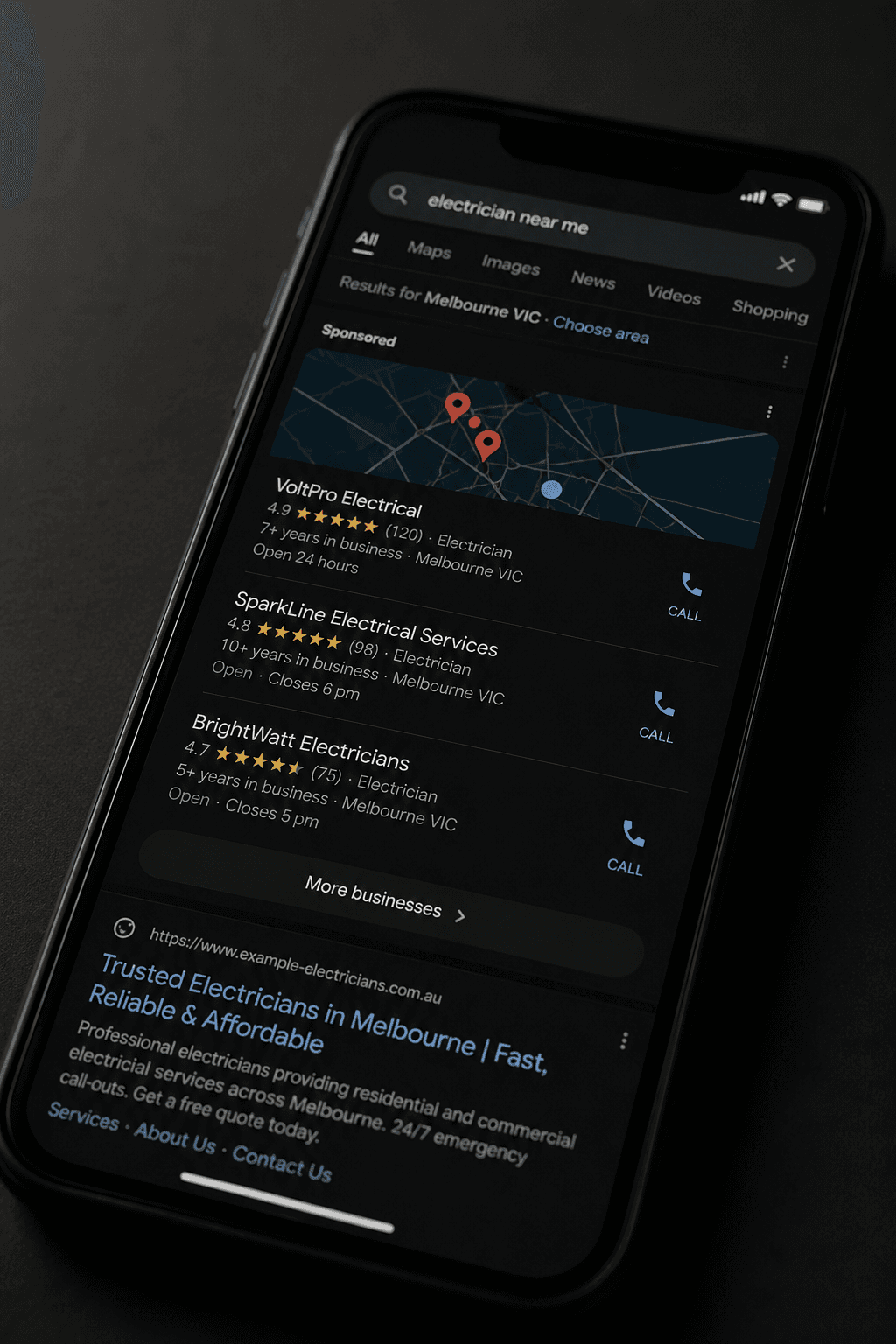
SEO
Local search visibility built into the structure of your site, not bolted on after. The right page titles, schema markup, and location signals so your business appears where customers are actually looking.

Google Business Profile
Your GBP listing is often the first thing a customer sees before your website. Set up correctly and kept current, it drives map pack appearances and direct enquiries from local searches.
Roofing Enquiries Run on Proof
The Trade With the Biggest Trust Gap in the Search Results
Roofing carries a reputation problem created by a minority of rogue traders. Every customer has heard a horror story before they search. They also can't get on the roof to check the work themselves. That combination makes roofing the most proof-hungry trade there is. A roofer with photos, reviews, and named local jobs removes the fear. The one with a thin site inherits the doubt.
Roofer Website Design Built Around Before and After
Before and after photos do the heavy lifting on a roofing site. A customer comparing quotes wants to see ridge lines, tidy leadwork, and cleared gutters. Drone shots of finished roofs give proof nobody can get from the ground. Roofer website design should build galleries by job type, not one messy photo dump. Fascias, flat roofs, and full re-roofs each get their own gallery. Customers find the job that looks like theirs and get in touch.
Storm Weeks and Quiet Months Need Different Pages
Roofing demand moves with the weather more than any other trade. A named storm fills phones for a fortnight with urgent repair searches. The rest of the year belongs to planned re-roofs and maintenance. A repairs page written for urgency serves the storm weeks. Re-roof and survey pages serve the slower months. You take enquiries in both seasons instead of one.
Insurance Work Searches Differently
Storm damage often ends in an insurance claim, and those customers search differently. They want a roofer who can document damage, photograph everything, and deal with assessors. Saying so on a dedicated page wins work most roofers never target. Insurance jobs also tend to carry approved budgets rather than price shopping. A short explanation of how you handle claims is usually enough. Few local competitors bother, which is exactly the point.
A Roofing Website That Proves the Work
Galleries and Job Pages Organised by Roof Type
Pitched roofs, flat roofs, fascias and guttering, repairs, and full re-roofs each get their own page. Customers search for their specific problem, not roofing in general. A flat roof customer wants EPDM detail and flat roof photos, nothing else. Organised job pages also rank for the searches each one matches. One photo dump page does neither job. Structure turns your back catalogue into a sales tool.
Built to Rank in the Towns You Actually Roof
Roofing web design lives or dies on local visibility. Service area pages cover your real patch, written with genuine local detail. LocalBusiness and Service schema tell Google who you are and where you work. Titles and descriptions target the searches a local roofer can win. Nothing gets bolted on after launch. The foundations go in with the build.
Reviews From the Ground, Photos From the Roof
Customers judge roofing from two angles, and the site needs both. Reviews from named local customers answer the trust question. Photos and drone shots answer the quality question nobody can check themselves. We place both beside every enquiry point on the site. A review mentioning your town outweighs a paragraph of sales copy. Scaffolding-stage photos show the care that finished shots can't.
Pricing and Timeline for a Roofing Site
Most roofing sites need 6 to 10 pages and cost £525. Hosting, management, and support run at £45 a month. The build takes two to three weeks once photos and content are agreed. Galleries, local SEO foundations, and Google Business Profile alignment are included. The price is fixed up front. You won't find extras on the invoice.
Enquiry Routes for Urgent Repairs and Planned Re-Roofs
A leak tonight needs a phone number, visible on every screen. A re-roof next spring suits a survey booking with a short form. Customers can attach photos of visible damage from the ground. That gives you enough to quote or prioritise before the visit. Each route gets tracked so you know what pulls the work in. The site matches the urgency of the job.
Is This the Right Fit?
This suits roofers who want repair and re-roof enquiries direct from their own patch. It is not right if your order book fills through insurers or builders alone. It also suits nobody wanting a one-page site to match the van decal. Roofers with real jobs worth photographing get the most from it. The proof already exists on your camera roll. The site puts it to work.
A simple, structured process that keeps the project clear from the first plan through to launch and ongoing support.
Examples of businesses that needed a stronger online presence, clearer service presentation, and a website that felt more credible from the first visit.







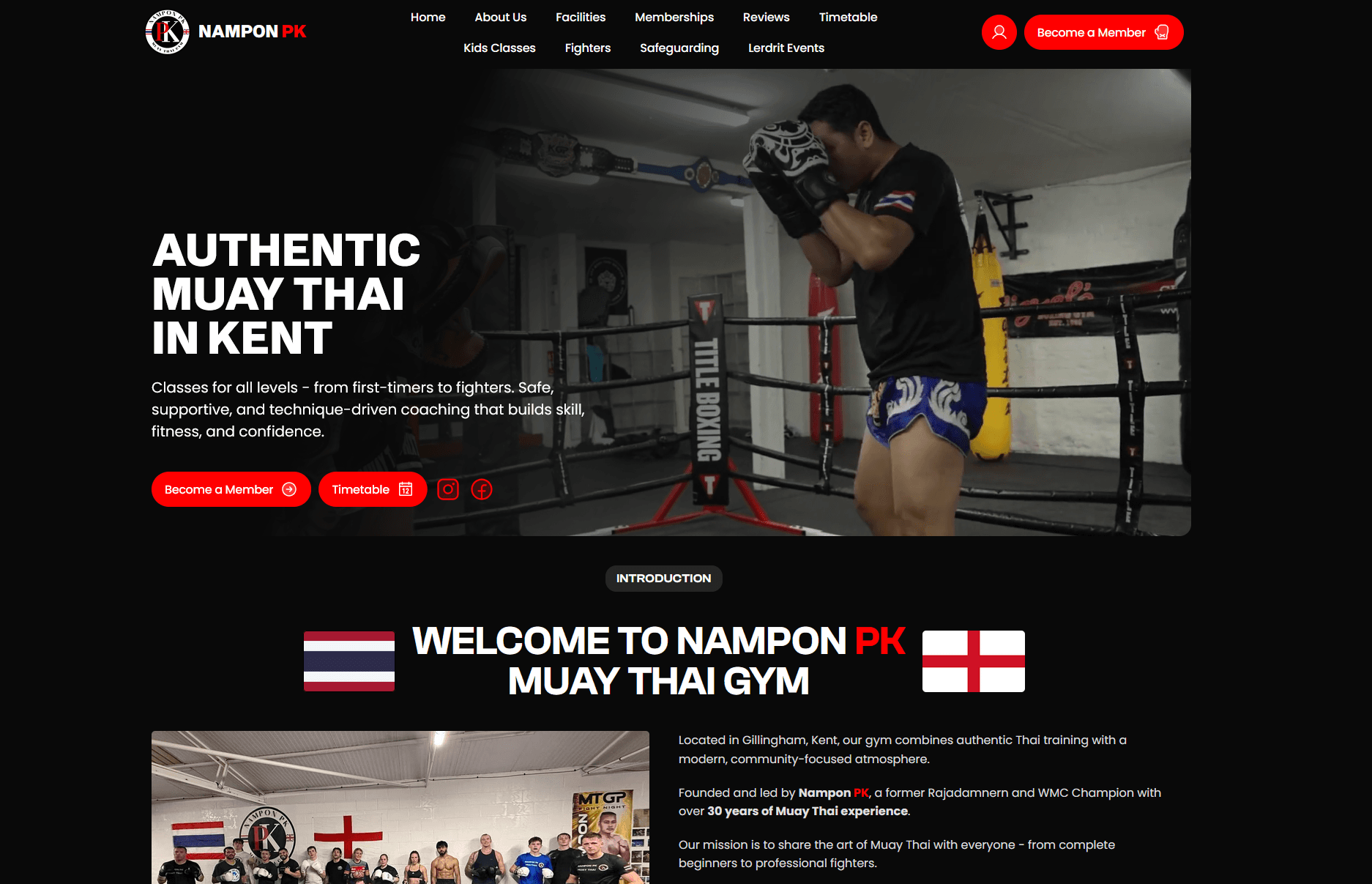

Structured websites for service businesses that need clearer messaging, stronger page flow, and a better path from visit to enquiry. Built to support trust, usability, and long-term growth.
Local SEO foundations built into the website structure, including service targeting, location relevance, internal linking, and page hierarchy that helps search engines understand what you do and where you work.
Google Business Profile setup and optimisation focused on stronger local visibility, accurate business information, and a profile that supports calls, map discovery, and enquiry-driven traffic.
Managed website hosting with ongoing support, maintenance, monitoring, and updates to keep the site secure, reliable, and useful after launch.