Web design for plumbers only works when it matches how plumbing work is found. Emergency jobs go to the first credible result on a phone. Bigger jobs like a boiler swap get compared against two or three firms first.
Most underperforming websites do not fail because the business is poor. They fail because the structure is unclear, the services are too vague, and the site does not help people decide what to do next.


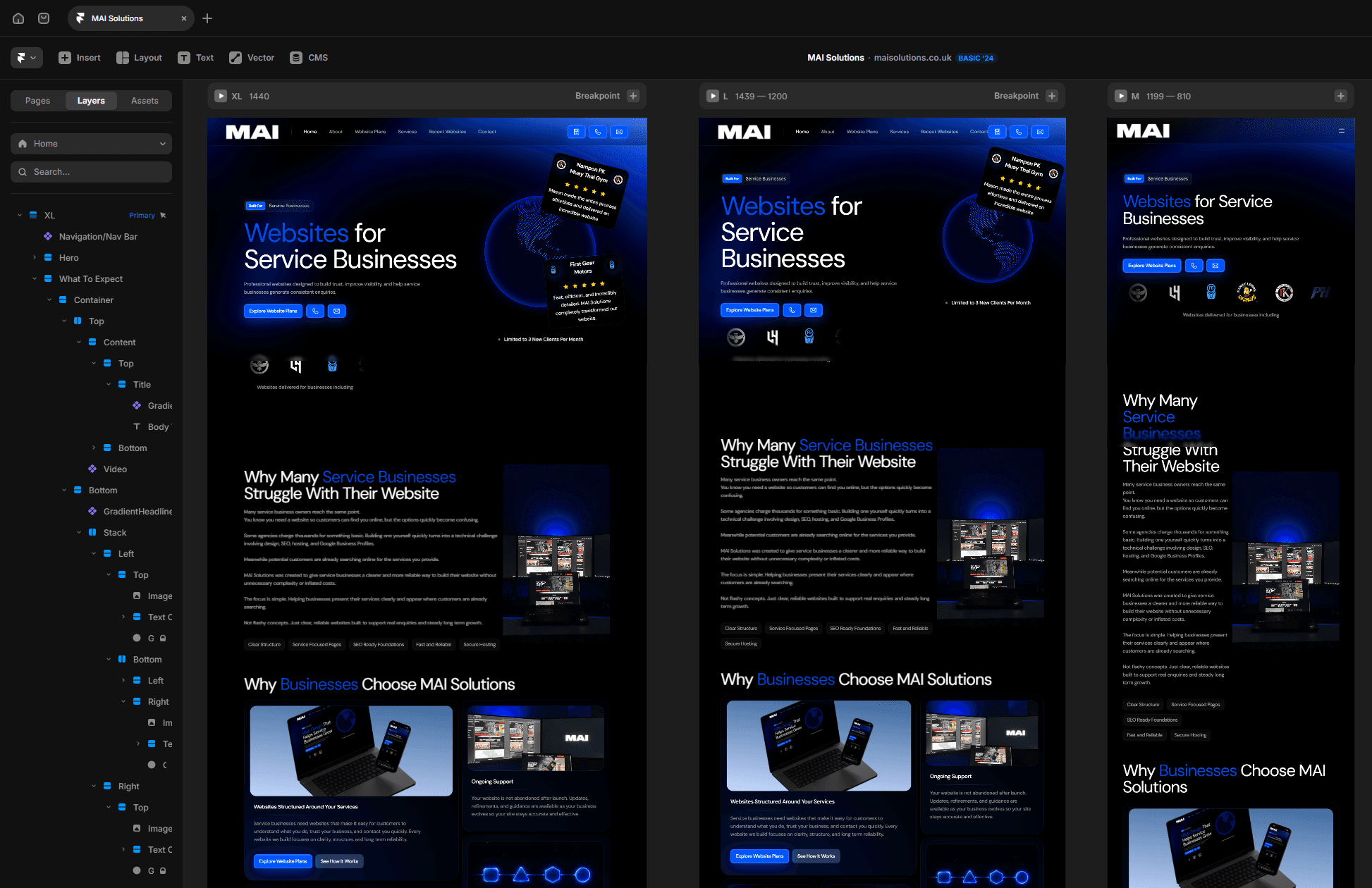
Web Design
A site built around how your customers search and decide, not just how it looks. Every page is structured to generate enquiries, with SEO foundations included from the start.
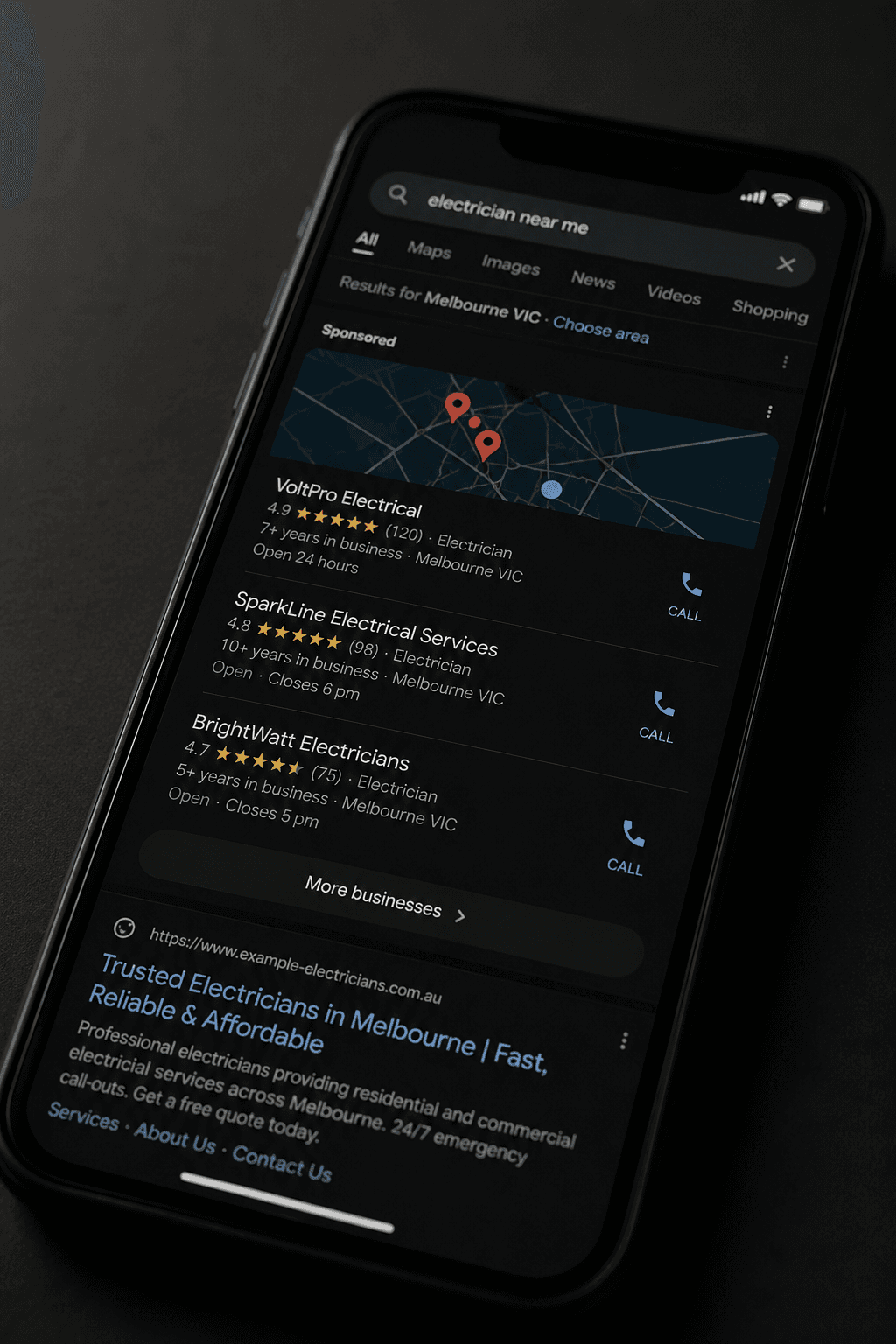
SEO
Local search visibility built into the structure of your site, not bolted on after. The right page titles, schema markup, and location signals so your business appears where customers are actually looking.
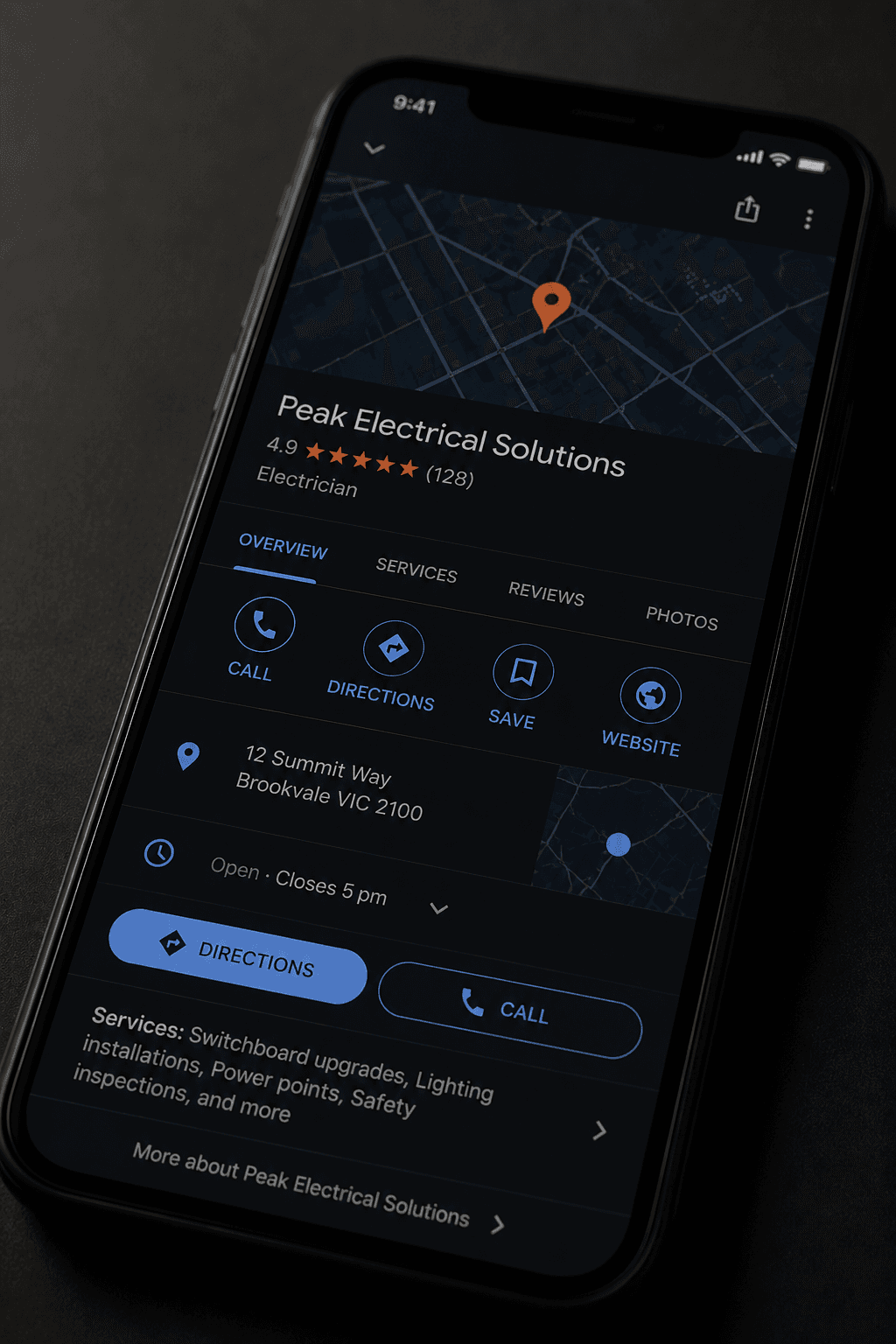
Google Business Profile
Your GBP listing is often the first thing a customer sees before your website. Set up correctly and kept current, it drives map pack appearances and direct enquiries from local searches.
How Customers Actually Choose a Plumber
Emergency Call-Outs and Planned Work Follow Different Searches
Someone with a burst pipe searches on their phone and rings the first credible result. Speed and a visible phone number win that job. A bathroom refit or boiler replacement works differently. Customers gather two or three quotes before anyone gets a call. Most plumbing websites serve neither behaviour well. A site built for both wins the work others lose.
Plumber Web Design for the Comparison Stage
The bigger the job, the more a customer checks before calling. A £2,500 boiler swap or £4,000 bathroom gets compared against other local firms. At that point they want photos of finished work, real reviews, and clear service detail. Good plumber web design puts that proof where the comparison happens. Vague pages full of stock photos lose to a competitor showing last week's bathroom install. The firm that looks most credible gets the quote request.
Paying Checkatrade for Leads Your Own Site Could Win
Plenty of plumbers rely on Checkatrade, Bark, or Yell for work. Those platforms sell the same lead to several firms at once. You end up quoting against three others before breakfast. A strong website works the other way. Enquiries that start there come to you alone. Directory profiles still have a place alongside it, and the two can run together. The difference is owning the enquiry instead of renting it.
Boiler Work Is Where a Plumbing Site Earns Its Keep
Job values in plumbing run from an £80 tap repair to installs worth thousands. The website earns its keep on the big end, not the small jobs. One boiler install enquiry a month covers the cost of the site several times over. That only happens when boiler work has its own page, written for those searches. Gas Safe registration, brands fitted, and finance options all belong on it. Customers spending thousands check those details before they ring anyone.
A Plumbing Website Structured Around the Jobs You Want
One Page Per Service, Not One Long List
A single services page listing everything from taps to full installs ranks for nothing. Each core service needs its own page matching a real search. That usually means boiler installs, boiler repair and servicing, bathrooms, emergency call-outs, and general plumbing. Every page answers the questions a customer has about that specific job. The page structure sets which jobs you attract. More boiler pages, more boiler enquiries.
Plumbing Website Design With Local SEO in the Foundations
Plumbing is local, and the site has to be built that way from the start. That means service area pages for the towns you cover, not one vague line about coverage. It also means LocalBusiness and Service schema, so Google understands the business properly. We write page titles and descriptions around the searches plumbers can actually win. None of this gets bolted on later. Plumbing website design without these foundations is decoration.
Reviews and Job Photos Placed Where Decisions Happen
Plumbing is a distress purchase half the time and a big spend the other half. Both situations run on trust. Google reviews, job photos, and named local work carry more weight than any sales copy. We place them next to the enquiry points, where hesitation actually happens. A review from a customer two streets away closes more work than a polished slogan. If you have photos of real installs, the site should lead with them.
Pricing, Timeline, and What You Get
Most plumbing websites land in the 6 to 10 page band at £525. Hosting, management, and support run at £45 a month after launch. A typical build takes two to three weeks once content and photos are agreed. That covers design, copy, local SEO foundations, and Google Business Profile alignment. No hidden extras and no surprise invoices. You know the full cost before anything starts.
Enquiry Routes That Match How Customers Contact a Plumber
Nobody fills in a long form with a leak coming through the ceiling. The phone number stays visible on every screen, especially on mobile. WhatsApp works well for plumbing because customers want to send photos of the problem. Short forms handle the planned work, asking only what a quote needs. Each route gets tracked, so you know where enquiries come from. The site fits how your customers behave, not the other way round.
Is This the Right Fit?
This works for plumbing and heating businesses that want direct enquiries and bigger jobs. It is not right for a plumber wanting the cheapest one-page holding site. It also suits firms poorly if all work comes through subcontracting and referrals. In that case a simple presence is enough, and this would be overkill. Plumbers chasing boiler installs, bathroom work, and steady local enquiries get the most from it. If that sounds like the work you want, it fits.
A simple, structured process that keeps the project clear from the first plan through to launch and ongoing support.
Examples of businesses that needed a stronger online presence, clearer service presentation, and a website that felt more credible from the first visit.







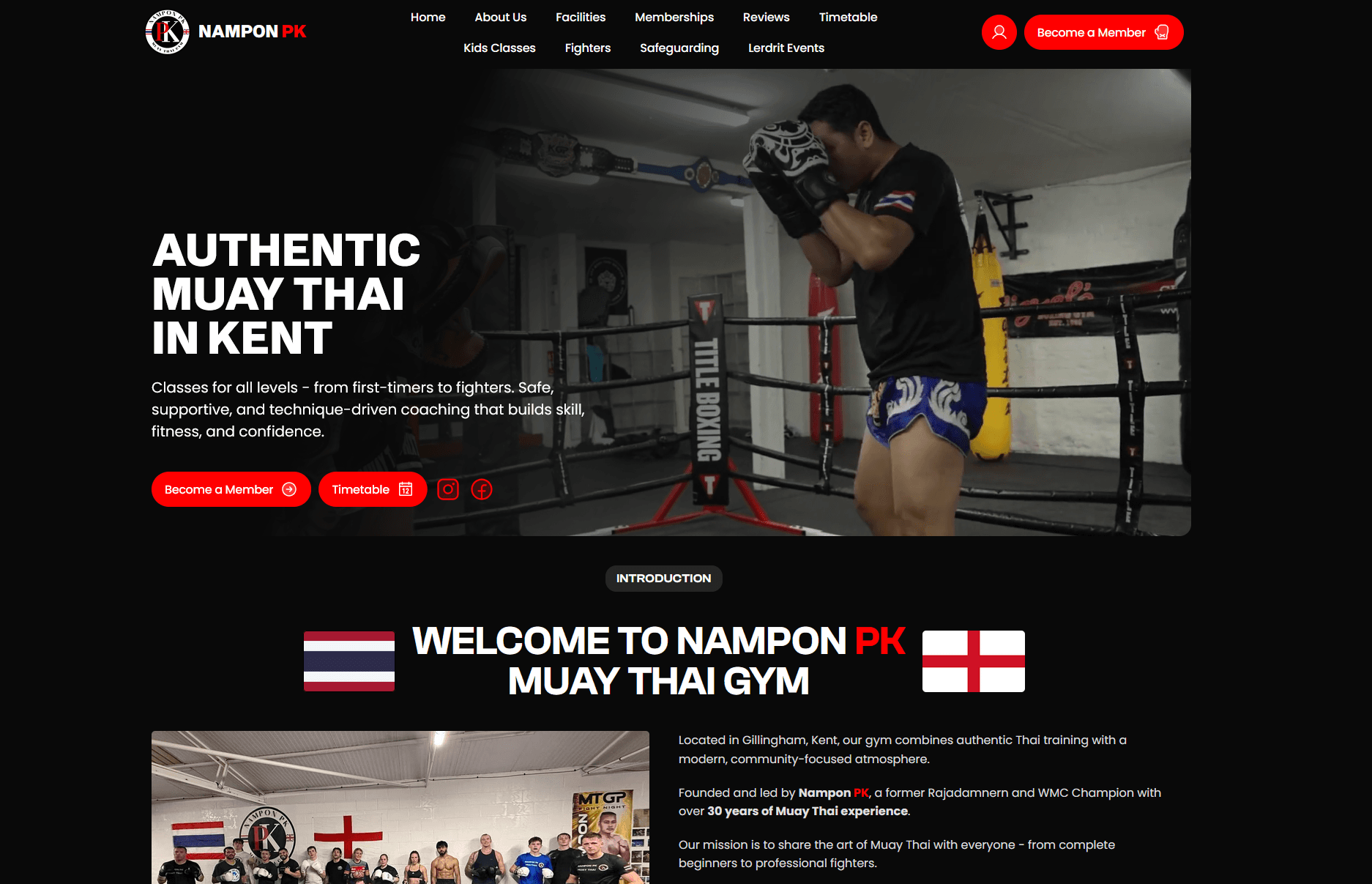

Structured websites for service businesses that need clearer messaging, stronger page flow, and a better path from visit to enquiry. Built to support trust, usability, and long-term growth.
Local SEO foundations built into the website structure, including service targeting, location relevance, internal linking, and page hierarchy that helps search engines understand what you do and where you work.
Google Business Profile setup and optimisation focused on stronger local visibility, accurate business information, and a profile that supports calls, map discovery, and enquiry-driven traffic.
Managed website hosting with ongoing support, maintenance, monitoring, and updates to keep the site secure, reliable, and useful after launch.